You don't need 10 acres and a pickup truck to start farming. Some of the most productive homesteads start on a quarter-acre plot, a rented backyard, or even a small compound behind a house in a growing town. The secret isn't land size — it's choosing the right enterprises, starting small, and adding new ventures only after the first one is running smoothly.
If you've been thinking about turning your backyard into something productive, here are ten practical ideas worth considering, roughly in the order most beginners should try them.
1. Start with Laying Hens
Chickens are the classic starter animal for a reason. A small flock of layers gives you eggs almost daily, teaches you daily animal care routines, and doesn't demand complicated housing.
A simple open-sided backyard house works fine for a modest flock — the key requirements are good ventilation, dry litter, predator-proofing at night, and a reliable water source nearby. As general management guides like Storey's Guide to Raising Chickens emphasize, breed selection, sanitation, and protection from predators matter far more than fancy infrastructure at this scale.
Start with 10–20 birds. Learn their behavior, get comfortable with feeding routines, and expand only when egg sales or household consumption justifies it.
2. Sell Surplus and Specialty Eggs
Once your hens are laying, you'll quickly discover a pleasant problem: more eggs than your family can eat. That surplus is your first income stream.
Mixed-breed flocks that lay brown, white, blue, and green eggs can command attention at local markets because "rainbow" egg cartons stand out. Duck eggs, too, often sell at a premium to bakers and restaurants. You can also sell hatching eggs from a well-managed breeding flock, which usually earns more per egg than table eggs.
How many extra eggs are you already giving away to neighbors? That number tells you whether there's a real market waiting.
3. Raise Ducks
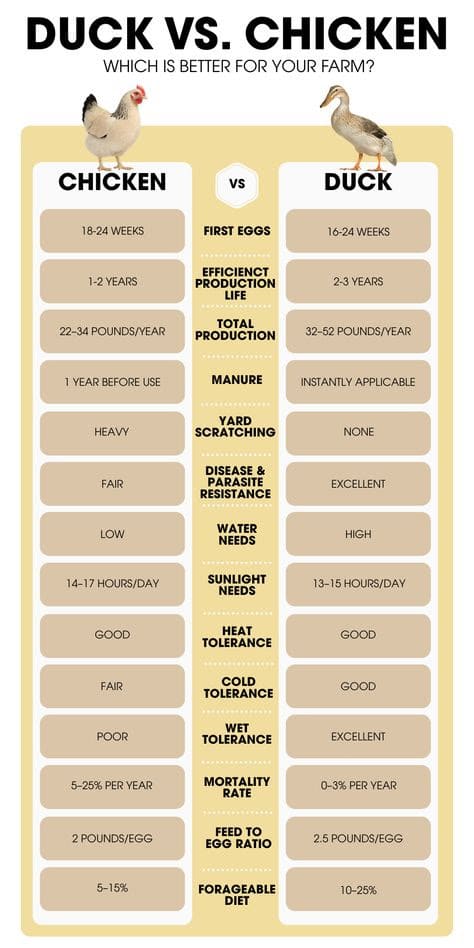
Ducks are underrated homestead birds. They're hardy, excellent foragers, and lay rich eggs prized by pastry chefs. They also handle wet conditions better than chickens.
One common misconception: ducks don't need a pond. They love water to splash and clean themselves in, but a small trough they can dip their heads into is enough for their health. Tuck them into a corner of your yard or orchard, give them shelter at night, and they'll happily spend the day hunting slugs and insects — free pest control.
4. Try Quail for Fast Turnaround
Short on space and patience? Quail might be your bird. They mature quickly, start laying eggs at a young age, and need very little room compared to chickens.
Quail eggs sell as a specialty product, and the birds can also be raised for meat or for sale to hunters and game enthusiasts. Because their cycle is so fast, quail are a good way to learn breeding and incubation skills without long waiting periods.
5. Hatch and Sell Chicks or Started Pullets
Once you understand incubation, hatching eggs becomes a business of its own. Many backyard keepers would rather buy started pullets — young hens nearly ready to lay — than raise fragile day-old chicks themselves.
That gap is your opportunity. Raising chicks to 16–18 weeks takes feed and patience, but buyers pay a premium to skip the brooding stage entirely. Just be honest with yourself about the costs: chick feed, heat, vaccinations, and losses all eat into the margin, so track every shilling or dollar before setting your price.
6. Add a Vegetable Garden
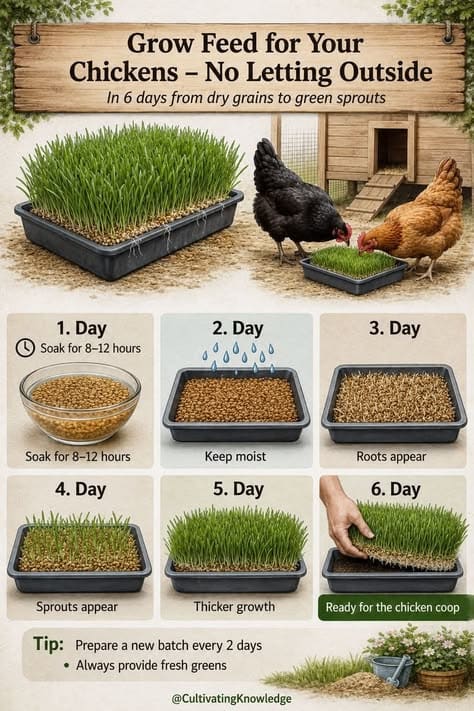
Poultry and gardens belong together. Chicken manure, properly composted, is excellent fertilizer, and garden trimmings supplement your birds' diet.
Start with high-value, fast-growing crops your household actually eats — leafy greens, tomatoes, onions, herbs. Sell whatever exceeds your family's needs. A garden also spreads your risk: if egg prices dip, vegetables may carry you through, and vice versa.
7. Raise Mealworms and Other Feed Insects
This one surprises people, but mealworms are a genuine micro-enterprise. They require almost no space, reproduce quickly, and sell as protein-rich treats for poultry keepers, pet owners, and fish farmers.
You can also simply feed them to your own flock and cut your purchased protein costs. Either way, a few plastic trays and some bran get you started.
8. Offer Free-Range or Pastured Products
If your plot allows it, letting birds range during the day and housing them at night reduces feed costs and produces eggs and meat many customers actively seek out. Free-range systems work well for chickens and turkeys alike, though you'll need secure night housing — predators are the biggest threat in any open system.
When choosing your site, keep a few principles in mind from standard poultry training guidance:
- Stay away from other poultry farms, piggeries, or dairies to reduce disease and disturbance risks
- Ensure a reliable water source
- Keep some trees and grass cover for shade and cooling during hot periods
9. Sell Compost and Manure
Every bird you keep produces something valuable beyond eggs and meat. Aged poultry manure is in demand among vegetable growers and gardeners.
Bag it, compost it properly (fresh manure can burn plants), and sell it locally. It's not glamorous, but it turns a waste-management chore into revenue — and it makes your own garden better in the meantime.
10. Teach What You Learn
Once you've made your mistakes and figured out what works on your specific plot, that knowledge has value. Weekend workshops on brooding chicks, building a simple coop, or starting a backyard flock attract beginners willing to pay for hands-on learning.
You don't need to be an expert with decades of experience. You just need to be a few steps ahead of the person you're teaching.
Putting It All Together
The biggest mistake new homesteaders make is starting five of these at once. Pick one — for most people, that's a small laying flock — and run it well for a full season. Then add a second enterprise that complements it, like a garden that uses the manure or a hatching operation that uses your best birds.
Keep simple records from day one: feed bought, eggs collected, birds lost, money in and out. Those numbers, not enthusiasm, will tell you which idea deserves to grow.
Which of these fits your space and budget right now? That's the one to start with this month — not next year.
If you found this useful, follow Poultry Market for more practical guides on raising birds profitably at any scale. Drop a comment below telling us which idea you're starting with — or what's already working on your homestead — and share this with someone who's been talking about starting a backyard farm but hasn't taken the first step yet.