Imagine two farmers, each with 100 hens. One collects 85 eggs a day; the other collects 45. Same housing, same feed, same effort — the only difference is the breed they chose. Egg production is largely decided the day you pick your birds, which is why choosing the right laying hen matters more than almost any other decision you will make for your flock.
Below are twelve breeds and hybrids known for strong egg production, along with honest notes on temperament, feed needs, and where each one fits best.
The High-Output Hybrids
1. White Leghorn
The Leghorn is the undisputed champion of white egg production. Depending on the strain, expect 280 to 320 eggs per year — the world record belongs to a White Leghorn that laid 371 eggs in 364 days. They are light birds, which means they eat less feed per egg than heavier breeds. The trade-off: they can be flighty and nervous, so they suit farmers who prioritize output over a cuddly flock.
2. ISA Brown
A commercial hybrid developed from Rhode Island genetics, the ISA Brown is the backbone of the brown egg industry. Expect around 300 eggs per year, excellent feed conversion, and a calm, friendly temperament. For a beginner who wants maximum eggs with minimum drama, this is often the safest pick.
3. Red Star (Golden Comet)
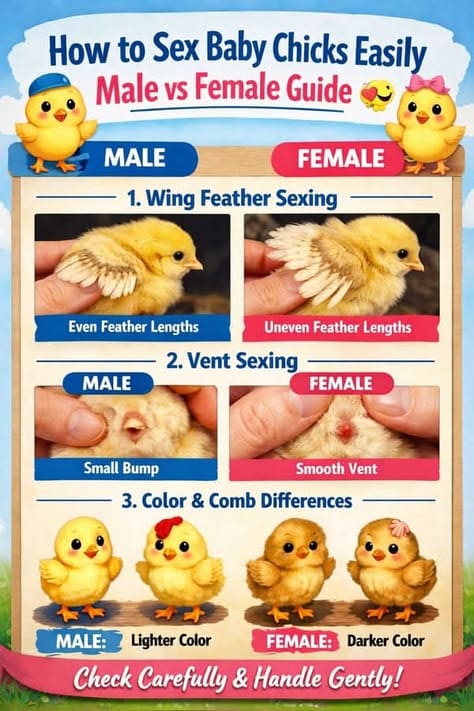
Another sex-linked hybrid, the Red Star reliably produces around 300 large brown eggs annually. Chicks can be sexed at hatching by color, which eliminates the risk of accidentally raising cockerels. They are docile, hardy, and forgiving of beginner mistakes.
4. Lohmann Brown / Lohmann LSL
These commercial strains are bred specifically for efficiency. Research comparing traditional breeds with modern hybrids consistently shows hybrids like Lohmann converting feed to eggs more efficiently and laying at a higher rate. If you are running a commercial operation where margins per bird matter, these strains are built for exactly that.
The Reliable Heritage Breeds
5. Australorp
The Australorp holds its own production record — one hen famously laid 364 eggs in 365 days. Realistically, expect 250 to 300 eggs per year from good stock. They are calm, handle confinement well, and their black plumage with a green sheen makes them a handsome addition to any flock.
6. Rhode Island Red
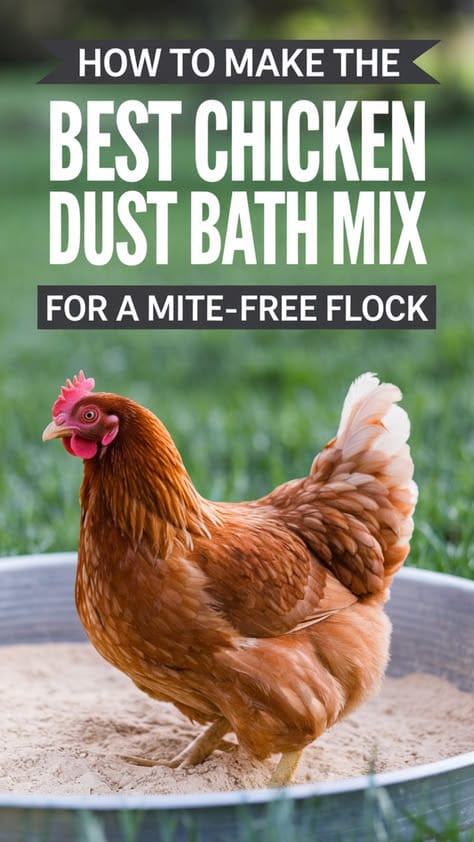
A classic dual-purpose breed producing 250 to 300 brown eggs annually. Rhode Island Reds are tough birds that tolerate heat, cold, and less-than-perfect management. Many brown-egg commercial strains trace their genetics back to this breed, which tells you something about its laying ability.
7. Sussex
Speckled Sussex hens lay around 240 to 260 eggs per year and are excellent foragers. If your birds free-range during the day, a Sussex will find a meaningful portion of its own feed, trimming your feed bill. They are curious, gentle, and good with children.
8. Plymouth Rock
Barred Rocks are dependable layers of about 200 to 280 brown eggs per year. They are hardy, dual-purpose birds, and the meat at end of lay is generally considered more flavourful than that of lighter breeds — worth knowing if you plan to sell spent hens.
The Solid All-Rounders
9. Buff Orpington
Orpingtons lay around 200 to 280 eggs per year and are among the friendliest breeds you can keep. Research notes that dual-purpose breeds like these are generally more docile and hardier than Leghorn-type birds, though they do eat more feed. One caution: Orpingtons go broody often, which pauses laying.
10. Wyandotte
Expect 200 to 240 eggs per year from a Wyandotte. They are cold-hardy, calm, and consistent winter layers — a real advantage if you live somewhere with short, cold days and want eggs year-round without supplemental lighting.
11. Ameraucana
The blue-egg layer of the list. Ameraucanas produce around 200 to 250 eggs annually. The numbers are lower than a Leghorn's, but blue and colored eggs often command premium prices at farmers' markets and specialty shops. Sometimes fewer eggs at a better price beats more eggs at a standard one.
12. Minorca
A striking Mediterranean breed that lays some of the largest white eggs of any chicken — around 120 to 140 jumbo eggs per year. Production volume is modest, but if your market pays for egg size, Minorcas deserve a look.
How to Choose for Your Situation
Numbers on paper are only half the decision. Ask yourself:
- What does your market want? White eggs dominate some regions; brown or colored eggs fetch premiums in others.
- What is your feed budget? A Leghorn eats noticeably less than an Orpington. Over a year, across 100 birds, that difference is real money.
- What is your climate and housing? Heat-tolerant light breeds suit hot regions; heavier breeds handle cold better.
- Do you want dual-purpose value? Heritage breeds give you meat value at end of lay, though at a lower laying rate than hybrids.
A useful rule: commercial hybrids win on eggs per kilogram of feed; heritage breeds win on hardiness, longevity, and versatility. Traditional breeds typically have higher body weight and a lower rate of lay than modern hybrids — but interestingly, some studies of traditional breeds like the Swedish flower hen and Danish Skalborg hen found they could match hybrids in egg numbers under free-range conditions with better feed efficiency. Management matters as much as genetics.
Final Thoughts
If your only goal is maximum eggs, start with ISA Browns, Red Stars, or Leghorns and you will not be disappointed. If you want a flock that forages, broods its own replacements, and still fills your egg basket, the Australorp, Rhode Island Red, or Sussex will serve you well for years.
Which breeds have performed best in your flock? Drop your experience in the comments — your results might help another farmer make the right choice. If this guide helped you, share it with someone planning their first flock, and follow Poultry Market for more practical poultry advice you can actually use.