Most people who lose their first flock of chickens don't lose it to disease or predators. They lose it to poor planning — a coop that was too small, feed that ran out in week three, or birds bought before the housing was ready. Raising chickens is genuinely simple once you understand a handful of core principles, but those principles matter enormously in the first ninety days. This guide walks through everything a beginner needs to know: choosing breeds, building proper housing, feeding correctly, managing health, and protecting your birds from the threats that catch new keepers off guard.
Why Chickens, and What Do You Actually Want From Them?
Before you buy a single bird, answer one honest question: what is this flock for?
Chickens are kept for three broad purposes, and the answer changes nearly every decision that follows:
- Eggs (layers): Breeds selected for high egg production, typically laying 250–300 eggs per year under good management.
- Meat (broilers): Fast-growing birds that reach market weight in roughly 6–8 weeks under intensive feeding.
- Dual-purpose or indigenous breeds: Hardier birds that provide moderate eggs and reasonable meat, often better suited to free-range or low-input systems.
A common beginner mistake is buying whatever chicks are available at the market without knowing their purpose. Imagine you want a steady supply of eggs for your household, but you unknowingly buy broiler chicks. Within two months you'll have heavy birds eating large quantities of feed and laying almost nothing. The reverse is equally frustrating — layer-type birds raised for meat grow slowly and never reach satisfying weights.
So start with the end in mind. What does success look like for you in twelve months: a basket of eggs each morning, birds ready for sale, or a self-sustaining backyard flock?
Choosing the Right Breed
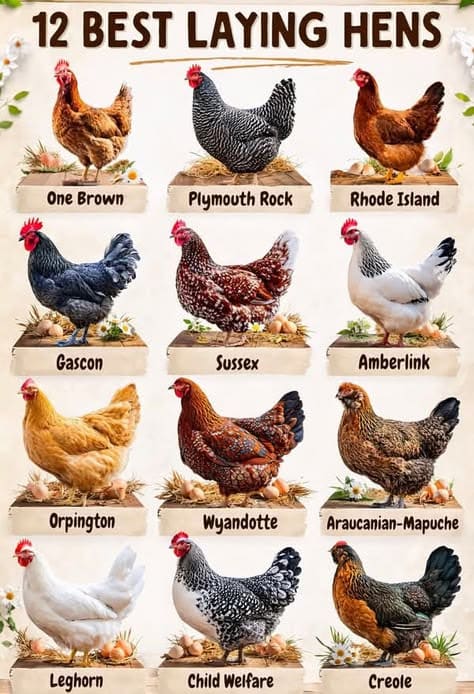
Breed selection is where production potential is set. Management can help a bird reach its potential, but it cannot exceed it.
Layers
Commercial layer strains (such as the various brown and white egg hybrids available from hatcheries) are bred for one thing: efficient egg production. They are light-framed birds that convert feed into eggs remarkably well. The trade-off is that they are less robust under harsh conditions and need consistent, quality feed to perform.
Broilers
Broiler strains grow astonishingly fast, but that speed comes with demands: high-protein feed, careful temperature management in the brooder, and close attention to leg health and water intake. They are a business proposition, not a casual backyard bird.
Indigenous and Improved Dual-Purpose Breeds
For many small-scale keepers — particularly in East Africa — indigenous chickens and improved dual-purpose breeds are the sensible starting point. They forage well, tolerate local conditions, resist some common stresses better than commercial strains, and hens will often brood their own chicks, removing the need for artificial incubation. Improved indigenous breeds developed through selection programs offer meaningfully higher egg production than unimproved local birds while keeping much of the hardiness.
Have you thought about which system actually matches your time, budget, and climate? That question matters more than any breed catalogue.
Housing: The Foundation Everything Else Rests On
If there is one place beginners underinvest, it is housing. A poorly built coop creates a cascade of problems — respiratory disease from damp air, predator losses, parasite build-up, and stressed, unproductive birds.
Space Requirements
Overcrowding is the single most common housing error. Birds packed too tightly compete for feed and water, peck each other, and spread disease rapidly. As a general guide from standard poultry references:
- Layers in deep litter systems: roughly 4–5 birds per square metre of floor space
- Broilers: higher stocking densities are possible, but only with excellent ventilation and litter management
- Free-range birds: still need secure night housing with adequate perch space
When in doubt, give more space rather than less. The cost of a slightly larger coop is trivial compared to the cost of chronic disease in an overcrowded one.
Ventilation Without Draughts
Chickens produce significant moisture and ammonia through respiration and droppings. A stuffy, sealed coop becomes a respiratory disease incubator within weeks. Your house needs openings high on the walls that allow stale, moist air to escape while keeping rain out.
The balance to strike: fresh air moving above the birds, not cold wind blowing directly on them. A practical test is to stand in the coop yourself. If your eyes sting from ammonia or the air feels heavy and damp, the ventilation is inadequate — no matter how solid the structure looks.
Orientation, Floor, and Litter
In East African conditions, orienting the house so the long axis runs east–west reduces direct sun exposure on the sidewalls and keeps the interior cooler. Raise the floor above ground level where possible to deter predators and flooding, or use a concrete floor for easier cleaning.
The deep litter system is the workhorse of small-scale chicken keeping: a layer of dry, absorbent material (wood shavings, straw, or similar) on the floor, turned regularly and topped up as needed. Done well, it composts gently, stays dry, and can last months between cleanouts. Done badly — wet, caked, never turned — it becomes a source of ammonia, coccidiosis, and foot problems. The litter should feel dry and friable in your hand. If it clumps and sticks, act immediately.
The Run
If your birds have outdoor access, at least part of the run should have a waterproof roof or cover. This gives the chickens shelter in rain and, importantly, keeps a feeding area dry — wet feed spoils quickly and grows mould that can seriously harm your flock.
Brooding Chicks: The Most Critical Two Weeks
Day-old chicks cannot regulate their own body temperature. For the first weeks of life, you must replace the mother hen with artificial heat, and getting this wrong kills chicks faster than almost anything else.
Setting Up the Brooder
- Prepare before the chicks arrive. Clean and disinfect the brooder area, lay fresh litter, and have feed and water ready.
- Provide heat. Charcoal jikos, infrared lamps, or electric brooders all work; what matters is achieving the right temperature at chick level — around 32–35°C in the first week, reduced gradually by roughly 2–3°C per week until the chicks are fully feathered.
- Use a brooder guard. A cardboard or metal ring keeps chicks near the heat source for the first days and prevents them from piling into corners, where they smother each other.
- Watch the chicks, not the thermometer. Chick behaviour is the best temperature gauge. Huddled tightly under the heat source and cheeping loudly means too cold. Scattered to the far edges, panting, means too hot. Evenly spread, quietly active chicks mean conditions are right.
Water and First Feed
Chicks should drink within hours of arrival. Use shallow drinkers they cannot drown in, and clean them daily — chicks foul water astonishingly fast. Some keepers add glucose or vitamins to the first water to help chicks recover from transport stress, which is a reasonable supportive practice.
Feed a proper chick starter mash or crumble. Do not improvise with maize bran alone for young chicks; their protein and amino acid requirements in the first weeks are high, and deficiencies at this stage cause permanent setbacks in growth and later laying performance.
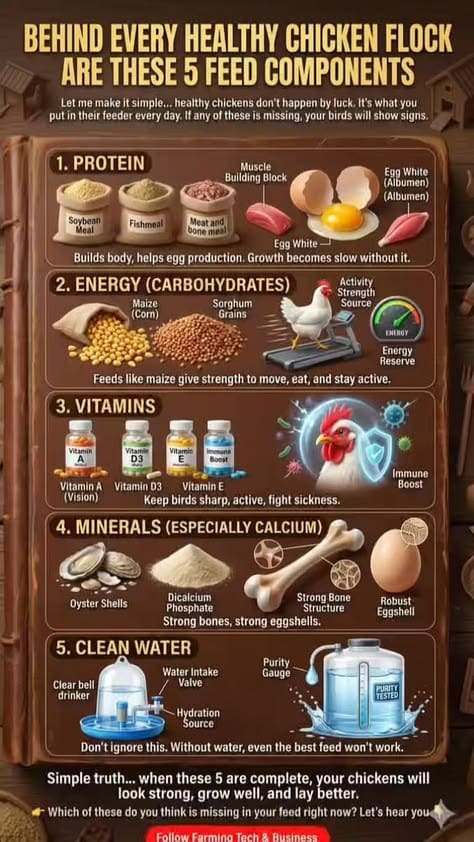
Feeding: Where Most of Your Money Goes
Feed typically represents the largest single cost in chicken keeping — often the majority of total production costs. Understanding the basics protects both your birds and your budget.
Feed Changes With Age
Chickens need different rations at different life stages:
- Chick starter: high protein (roughly 20–22%) for the first weeks
- Grower: moderate protein as birds develop
- Layer feed: formulated with the calcium laying hens need for shells (around 3.5–4% calcium), fed from the point of lay onward
- Broiler starter and finisher: energy- and protein-dense rations for rapid growth
Feeding layer feed to young chicks, or starter feed to adult layers, causes real problems — kidney strain from excess calcium in young birds, or thin shells and poor production in under-supplemented layers.
How Much Will Your Birds Eat?
Planning feed purchases requires a rough consumption estimate. As an illustrative example (actual figures vary by breed, temperature, and feed quality):
- A mature layer eats approximately 110–130 grams per day
- So 50 layers consume roughly 5.5–6.5 kg per day, or about 165–195 kg per month
Run the numbers for your own flock: number of birds × daily consumption × 30 days = monthly feed requirement. If that figure surprises you, good — far better to be surprised now than in week six when the feed runs out and production collapses. Layer hens that miss feed even briefly can drop in production and take weeks to recover.
Water: The Forgotten Nutrient
Chickens drink roughly twice as much as they eat by weight, and much more in hot weather. A laying hen deprived of water for even a day can stop laying for an extended period. Clean, cool, constantly available water is non-negotiable. In hot climates, position drinkers in shade and refresh water during the hottest part of the day.
Supplements and Grit
Free-ranging birds pick up natural grit (small stones) that grinds feed in the gizzard. Confined birds fed whole grains need insoluble grit provided separately. Layers on marginal diets may also benefit from crushed oyster shell or limestone offered free-choice, letting each hen regulate her own calcium intake.
Daily and Weekly Management Routines
Good chicken keeping is mostly routine. The birds thrive on consistency, and problems caught early are almost always cheaper to fix.
Daily:
- Check and refill water; clean drinkers
- Feed at consistent times
- Collect eggs (at least once, ideally twice daily to reduce breakage and broodiness)
- Observe the flock — any bird that is hunched, isolated, or off feed deserves a closer look
- In the evening, count birds into the house and secure the door against predators
Weekly:
- Turn and check litter condition
- Inspect birds for external parasites (part feathers around the vent and under the wings)
- Clean feeders and drinkers thoroughly
- Check the house and run for damage, gaps, or predator attempts
This daily observation habit is genuinely your most powerful health tool. Chickens hide illness well — by the time a bird looks obviously sick, the problem is usually advanced. The keeper who notices "that hen didn't come to feed this morning" catches trouble days earlier than the one who only looks when something dies.
Health, Disease Prevention, and Parasites
A full veterinary manual is beyond any single article, and anything beyond general prevention should involve a qualified veterinarian or animal health worker. But the prevention principles are clear and well established.
Biosecurity: Keep Disease Out
Most flock diseases arrive from outside — on new birds, on your shoes, on shared equipment, or via wild birds. Practical defences:
- Quarantine new birds for at least two weeks before mixing them with your flock
- Buy chicks from reputable hatcheries with vaccination programmes
- Limit visitors to the poultry area, and use dedicated footwear
- Keep wild birds away from feed and water where possible
- Remove dead birds promptly and dispose of them safely
Vaccination
Vaccination schedules vary by region and disease pressure, so work with local veterinary or extension services. In much of East Africa, Newcastle disease is the dominant killer of village chickens, and vaccination against it is one of the highest-return investments a small flock owner can make. Other commonly vaccinated diseases include Gumboro (infectious bursal disease) and fowl pox, depending on local risk. Never guess at a schedule — get the current local recommendation.
Parasites: The Quiet Production Thieves
External parasites (mites and lice) and internal parasites (worms) rarely kill birds outright, but they steadily drain productivity: weight loss, pale combs, reduced laying, and general unthriftiness. Signs to watch for include feather loss, restlessness at night (red mites feed on roosting birds), and visible parasites when you part the feathers around the vent.
Control rests on three pillars:
- Hygiene: clean litter, washed equipment, and regular house maintenance
- Dust baths: chickens instinctively dust-bathe in dry soil or ash, which helps them manage external parasites — always provide a dry, dusty area
- Treatment when needed: appropriate products exist for both internal and external parasites, but use them under veterinary or extension guidance and observe withdrawal periods for eggs and meat
Culling
An uncomfortable but essential practice: birds that are chronically sick, severely injured, or persistently unproductive should be humanely culled. Keeping them costs feed, occupies space, and can maintain disease in the flock. Good records make this decision rational rather than emotional.
Predators and Security
Every chicken keeper eventually meets a predator. Depending on your location, the threats include dogs, mongooses, snakes, hawks, rats, genets, and — honestly — human theft.
Defence is layered:
- Solid night housing with doors that fasten securely; most predator attacks happen at night
- Hardware cloth or welded mesh rather than chicken wire for vulnerable openings — chicken wire keeps chickens in but does not reliably keep determined predators out
- Secure the perimeter of the run, including burying or skirting mesh at the base where diggers are a problem
- Collect eggs promptly and keep feed in sealed containers — spilled feed attracts rats, and rats attract snakes
- Deterrents such as motion-activated lights or radios on timers can discourage nocturnal visitors around the poultry area
A useful siting principle: put the poultry house somewhere you pass daily and can see easily. Flocks tucked away in a forgotten corner get forgotten care, and problems go unnoticed until they are expensive.
Record Keeping: The Difference Between a Hobby and an Enterprise
Even a small flock benefits from simple records. Track:
- Birds in, birds out (deaths, sales, culls)
- Feed purchased and consumed
- Eggs collected daily or weekly
- Vaccinations and treatments given
- Money in and money out
These records answer the questions that matter: Is egg production rising or falling? Is feed conversion reasonable? Is this flock actually making money, or slowly losing it? Without records, you are guessing. With them, even a twenty-bird flock becomes a manageable enterprise.
Common Beginner Mistakes to Avoid
Drawing together the threads of this guide, the errors that most often derail new chicken keepers are:
- Buying birds before the housing is ready — build first, buy second
- Overcrowding — more birds in less space feels economical and is anything but
- Feeding the wrong ration for the age or purpose of the bird
- Neglecting water quality and availability
- Skipping vaccination, especially against Newcastle disease where it is prevalent
- No quarantine for new birds — one sick purchase can wipe out an established flock
- Underestimating predators until the first loss
- Keeping no records, then wondering where the money went
None of these require expertise to avoid — only forethought.
Putting It All Together
Raising chickens well is not complicated, but it is systematic. Choose birds matched to your purpose. House them with space, dryness, ventilation, and security. Feed the right ration at the right stage, and never let water run short. Brood chicks with careful attention to temperature. Prevent disease through hygiene, vaccination, and quarantine rather than trying to cure it afterwards. Keep simple records so you know whether your flock is thriving.
Start at a scale you can manage comfortably — even ten or twenty birds will teach you more in three months than any book — and expand as your skills and systems prove themselves.
If you found this guide useful, follow Poultry Market for more practical, no-nonsense poultry content written for real keepers. And we'd genuinely like to hear from you: what was the hardest lesson your first flock taught you? Drop your experience or question in the comments — your answer might be exactly what another beginner needs to read. If you know someone about to buy their first chicks, share this with them before they make the classic mistakes.