Imagine you have just moved onto a small plot of land, or you simply want your backyard to start producing something useful. Where do you begin? Most new homesteaders make the same mistake: they try to learn everything at once, burn out within a few months, and give up before their first real harvest. The truth is that homesteading is built one skill at a time, and a handful of beginner-friendly skills will carry you further than any expensive equipment ever will.
Here are the practical skills worth learning first, starting with the one animal that belongs on almost every homestead.
Start With Chickens
There is a reason poultry is a staple on virtually every homestead, regardless of size. Chickens require relatively little space, are easy to care for, and reward you quickly with eggs and meat. They are even permitted in the backyards of many cities, which makes them ideal for urban homesteaders in places like Nairobi.
Starting with a small flock teaches you the fundamentals of livestock management without overwhelming you:
- Daily feeding and watering routines that build discipline
- Basic animal observation — learning to spot a sick bird early
- Housing and predator protection — skills that transfer to any livestock
- Record keeping — tracking egg production, feed use, and costs
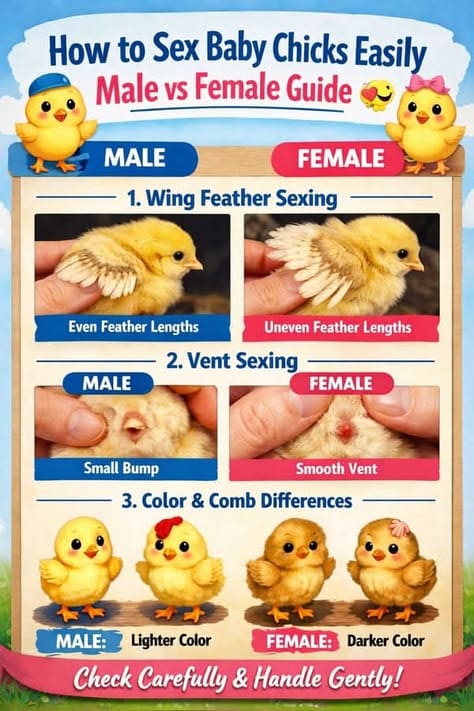
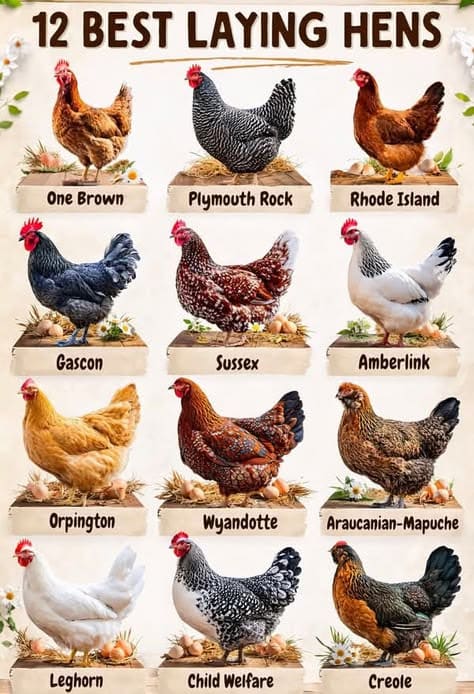
If you are completely new, begin with a handful of birds rather than dozens. A flock of five to ten hens will supply a household with eggs while keeping your feed bill and workload manageable. As resources like Storey's Guide to Raising Chickens emphasize, getting the basics right — breed selection, a dry and ventilated coop, clean water, and protection from predators — matters far more than flock size.
Would you rather learn from mistakes on six birds or sixty? Start small.
Learn to Plan Before You Build
One skill that separates successful homesteads from struggling ones is production planning. Poultry training manuals for extension workers stress this repeatedly: proper planning means constructing suitable infrastructure, having enough land for expansion, and avoiding biosecurity threats before they become problems.
Before you buy a single chick, answer these questions:
- Where will the coop sit, and is the ground well-drained?
- Can you expand later without moving the whole structure?
- How will you keep wild birds, rodents, and predators away from your flock?
- Where will you source feed consistently, and what does it cost monthly?
A simple feed calculation shows why planning matters. If one laying hen eats roughly 120 grams of feed per day, then:
10 hens × 0.12 kg × 30 days = 36 kg of feed per month
That is a modest, predictable cost. But scale that to 100 birds and you are looking at 360 kg monthly — a very different budget. Running these numbers before you start prevents the classic beginner trap of running out of feed money mid-cycle.
Grow Something, Even in Containers
Gardening is the second pillar of homesteading, and like poultry keeping, it rewards starting small. You do not need acres. A few raised beds, sacks, or containers can produce sukuma wiki, spinach, tomatoes, and herbs.
The beginner-friendly approach:
- Start with fast, forgiving crops — leafy greens grow quickly and tolerate mistakes
- Use what you have — chicken manure, composted properly, becomes excellent fertilizer
- Plant in succession — sow small batches every few weeks instead of everything at once
This is where your skills begin to connect. Your chickens produce manure for the garden, and garden scraps go back to the birds. That loop is the heart of homesteading.
Cook and Preserve From Scratch
Producing food is only half the skill set. Knowing what to do with a glut of eggs, a harvest of tomatoes, or a culled hen is what turns production into real savings.
Beginner-friendly food skills include:
- Cooking simple meals from raw ingredients rather than relying on processed foods
- Preserving surplus — drying vegetables, fermenting, or making simple preserves
- Safe food handling, especially with eggs and poultry meat
You do not need to master canning in your first season. Start by learning to use everything your homestead produces without waste. Waste is where most beginners quietly lose money.
Master Basic Record Keeping
This is the least glamorous skill on the list, and possibly the most valuable. Homesteaders who keep records know whether they are saving money or slowly bleeding it.
Keep a simple notebook or spreadsheet tracking:
- Feed purchased and consumed
- Eggs collected per day
- Birds lost and the likely cause
- Money spent and money saved or earned
After three months, these records will tell you things no article can: whether your feed source is too expensive, whether your hens are underperforming, and whether expanding makes sense. Extension manuals across East Africa emphasize record keeping as the foundation of turning poultry keeping from a hobby into a business — and the same logic applies to your whole homestead.
Learn Basic Animal Health Observation
You do not need to be a veterinarian, but you do need to recognize when something is wrong. Healthy chickens are active, alert, and eating well. Warning signs include drooping, isolation from the flock, reduced appetite, and changes in droppings or egg production.
The beginner rules are simple:
- Observe your flock daily — even five minutes while feeding counts
- Isolate any sick bird immediately to protect the rest
- Keep the coop dry and clean, since most health problems thrive in damp, dirty conditions
- Consult a qualified veterinarian before administering any medication
Never guess with treatments. Good observation and hygiene prevent far more disease than medicine ever will.
Bring It All Together
The homesteaders who succeed are not the ones who know the most on day one. They are the ones who pick a few skills, practice them consistently, and add new ones each season. Start with a small flock of chickens, plan your space and feed budget before building, grow a few forgiving crops, learn to use what you produce, and write everything down.
Which skill will you start with this month?
If you found this useful, follow Poultry Market for more practical guides on raising poultry and building a productive homestead. Drop a comment below telling us which skill you are tackling first — and share this with a friend who keeps talking about starting a homestead but hasn't taken the first step yet.