How to Start a Low-Cost Poultry Farm in Nairobi: A Beginner's Guide
Starting a poultry farm in Nairobi with limited capital and space requires strategic planning and practical choices. Whether you’re a homestead farmer or a city dweller with a small plot, poultry farming can be a profitable venture if approached wisely. Here’s how to begin.
Choosing the Right Poultry Type
Broilers, Layers, or Improved Kienyeji?
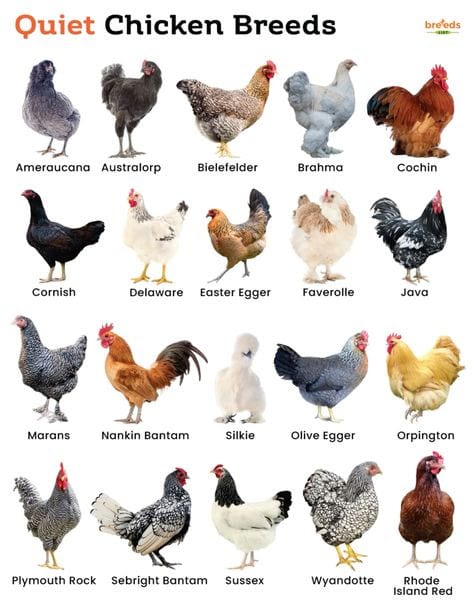
For small spaces and low budgets, improved Kienyeji chickens or fast-growing broiler chicks are ideal. Kienyeji chickens thrive in confined spaces, require less feed, and fetch premium prices in local markets. Broilers, while needing more feed, grow quickly (6–8 weeks) and can be sold to restaurants or butcheries. Start with 20–50 chicks to minimize risk, as advised by Kenyan poultry trainers who emphasize starting small to build experience.
Cost Considerations
Initial costs include chicks, feed, housing, and basic equipment. For example, 50 day-old chicks may cost KES 1,250–2,500, depending on breed. Feed accounts for 60–70% of production costs, so sourcing affordable options like maize germ or local feed mills is critical [AI Answer].
Housing and Space Optimization
Making the Most of Limited Space
You don’t need a large plot. Use vertical housing systems for layers or floor pens for broilers. Repurpose materials like iron sheets, wood, or even plastic pipes to build low-cost coops. A 2m x 2m coop can house 20–30 birds comfortably. Ensure proper ventilation and predator-proofing, as detailed in the Uganda Poultry Training Manual.
Water and Lighting
Install a simple rope-drip waterer or plastic bottles with pierced caps to conserve water. For broilers, 20-watt LED bulbs at night improve growth rates and reduce stress. These low-cost solutions are highlighted in Kenchic Ltd.’s management manual.
Managing Costs and Feed
Affordable Feed Options
Mix local ingredients like maize, soybean, and fishmeal to create cost-effective feed. A basic layer ration costs KES 35–45/kg, while broiler feed is slightly pricier. Feed 20–25g per bird daily for layers and 100–120g for broilers. For every 50 birds, allocate KES 1,500–2,000 weekly for feed.
Reducing Waste
Use a deep litter system with sawdust or ash to control ammonia and reduce bedding costs. This method also minimizes disease risk, as noted in Kenya’s Department of Veterinary Services guidelines.
Disease Prevention and Biosecurity
Vaccination and Hygiene
Prioritize ND (Newcastle Disease) vaccination at 1 and 6 weeks. Maintain strict biosecurity: clean boots before entering coops, isolate sick birds, and disinfect tools regularly. A single disease outbreak can wipe out profits, so prevention is non-negotiable.
Monitoring Mortality
Track mortality rates closely. A 5–8% loss is normal for broilers; anything above 10% signals poor management or disease. Use mobile apps like Poultry Market Kenya’s platform to log health data and receive alerts.
Marketing Your Poultry Products
Local Markets and Value Addition
Sell directly to local butcheries, schools, or through WhatsApp groups. For eggs, partner with bakeries or roadside kiosks. Value addition like pre-slaughtered chickens or packed eggs can boost profits by 20–30%, as outlined in the Uganda Poultry Manual.
Building a Customer Base
Start with small orders and build trust. Offer consistent quality and competitive pricing. For example, a live broiler fetches KES 200–250, while a dozen eggs sells for KES 150–200 in Nairobi’s informal markets.
Scaling Up Gradually
Reinvest profits into expanding your flock or upgrading housing. Once you’ve mastered 50 birds, consider adding 50 more. Focus on improving feed efficiency and exploring contracts with local restaurants or supermarkets. Avoid rapid expansion without proven demand.
Key Takeaways
- Start with 20–50 chicks to minimize financial risk.
- Optimize space with vertical housing or repurposed materials.
- Prioritize disease prevention through vaccination and hygiene.
- Sell locally via butcheries, WhatsApp groups, or bakeries.
- Reinvest profits to scale gradually and sustainably.
Have you started a poultry farm in Nairobi? Share your challenges or success stories in the comments. For more tips, follow us at Poultry Market Kenya and join our community of farmers turning small spaces into big opportunities.