The sight of a thriving backyard flock is a joy for any small-scale farmer, but beneath the surface, invisible threats like internal parasites can silently undermine their health and productivity. For many, the idea of reaching for conventional chemical dewormers brings concerns about egg withdrawal periods, potential chemical residues, and a strong desire for more natural, sustainable practices that align with their farming philosophy. This pursuit of holistic flock management often leads to exploring time-honored remedies and modern natural approaches to internal parasite control.
Managing internal parasites, commonly known as worms, is a critical aspect of poultry husbandry. A healthy chicken is a productive chicken, and a significant worm burden can lead to reduced egg production, poor growth rates, weight loss, dull feathers, and even increased susceptibility to other diseases. For small-scale farmers, early detection and effective intervention are key to maintaining flock vitality without resorting to heavy pharmaceutical intervention unless absolutely necessary.
Understanding the Challenge of Deworming Backyard Chickens
Before diving into natural remedies, it's essential to understand the landscape of deworming. For backyard chickens, the options for readily available, FDA-approved chemical dewormers are quite limited. Piperazine (often sold under the trade name Wazine) is approved specifically for large roundworms, which is just one type of helminth that can affect poultry. Hygromycin-B is another approved drug, but its availability and application can be more complex for a small flock. Fenbendazole is a chemical dewormer that veterinarians may prescribe for a broader range of worms, though its approved use for layers often comes with egg withdrawal periods, which can be a significant concern for producers relying on daily egg sales.
The limitations and concerns surrounding chemical dewormers are precisely why many small-scale farmers, especially those aiming for organic or natural certification, turn their attention to alternative methods. The goal isn't just to eliminate worms, but to foster an environment and strengthen the birds' natural defenses against parasitic infestations.
The Philosophy Behind Natural Deworming
Natural deworming for backyard chickens isn't typically about finding a "natural pharmaceutical" that acts as a potent, single-dose cure for a heavy worm burden. Instead, it's often a multi-faceted approach focused on prevention, supporting the bird's immune system, and creating an internal environment less hospitable to parasites. This approach often involves dietary supplements, herbal remedies, and strict biosecurity measures. It's about proactive health management rather than reactive treatment.
It's crucial to distinguish between supporting general health and directly eliminating parasites. While many natural substances boast anthelmintic (anti-worm) properties in laboratory settings, their efficacy in real-world poultry applications, especially for established heavy infestations, may vary and often lacks the rigorous scientific validation seen with pharmaceutical drugs. Therefore, natural remedies are best viewed as part of an integrated parasite management strategy, particularly effective in preventing and managing light to moderate worm loads, or in conjunction with veterinary guidance.
Key Natural Remedies and Supportive Strategies
Let's explore some of the most commonly discussed natural remedies and practices that small-scale farmers employ to support their chickens' defense against internal parasites.
Diatomaceous Earth (DE)
Diatomaceous earth (DE) is perhaps one of the most widely discussed natural substances for deworming. Food-grade DE is a naturally occurring, soft, siliceous sedimentary rock that is easily crumbled into a fine white powder. It is composed of fossilized remains of diatoms, a type of hard-shelled algae.
How it supposedly works: The theory behind DE as a dewormer for internal parasites is that the microscopic, sharp edges of the diatom shells physically abrade the exoskeletons of parasites, leading to dehydration and eventual death. For external parasites, this mechanism is well-understood. For internal parasites, the theory suggests a similar abrasive action within the digestive tract.
Benefits beyond deworming: Beyond its theoretical deworming properties, DE is also rich in trace minerals. It contains calcium, and a diet high in calcium can discourage internal parasites. Feeding DE to chickens can be healthful, potentially improving a chicken's overall vitality and its ability to naturally fend off parasites.
Practical Application:
- In Feed: If you choose to feed DE to your chickens, it should be mixed into their feed. A common recommendation is to add 1-2% of the total feed by weight. For example, if you're feeding 10 kg of feed, you would add 100-200 grams of DE. It's important to mix it thoroughly to ensure even distribution and prevent birds from inhaling the fine powder, which can irritate respiratory tracts.
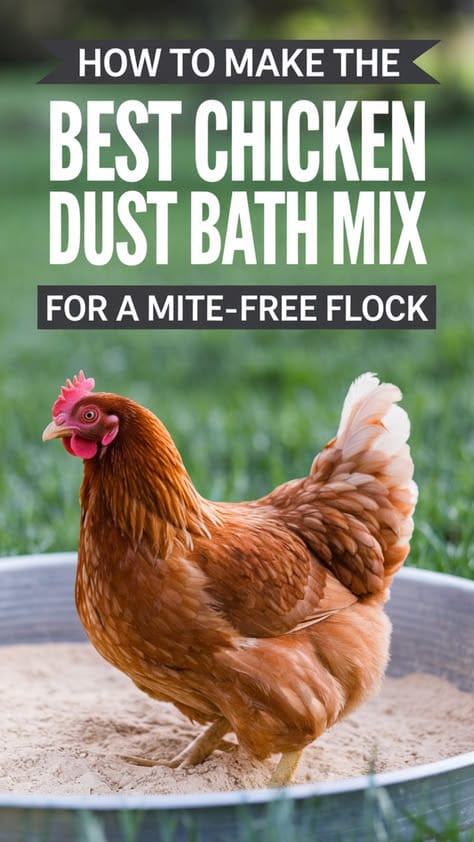
- Dusting: While primarily for external parasites, dusting coops and dust bath areas with DE can help control mites and lice, reducing external stressors that can weaken a bird's immune system and make them more susceptible to internal parasites.
Considerations: While popular, scientific evidence specifically proving DE's efficacy as an internal dewormer in chickens is often debated and not as robust as for chemical alternatives. It's best seen as a supportive measure for gut health and mineral supplementation, potentially contributing to an environment less favorable for parasites. Ensure you always use food-grade DE.
Garlic
Garlic (Allium sativum) is a well-known herb with a long history of use in traditional medicine, including its application as an anthelmintic. It contains allicin, a compound believed to have antimicrobial and antiparasitic properties.
How it works: Allicin and other sulfur compounds in garlic are thought to interfere with the metabolic processes of parasites, weakening or expelling them.
Practical Application:
- Fresh Garlic: You can crush fresh garlic cloves and add them to your chickens' drinking water (1-2 crushed cloves per gallon of water). Change the water daily to ensure freshness.
- Garlic Powder: Alternatively, garlic powder can be mixed into the feed at a rate of about 0.5-1% of the total feed.
- Direct Feeding: Some farmers offer whole or crushed garlic cloves directly to their chickens, who often peck at them readily.
Considerations: While anecdotal evidence is strong, consistent scientific proof of garlic's direct deworming power in poultry is still developing. However, its immune-boosting properties and general health benefits make it a valuable addition to a chicken's diet.
Pumpkin Seeds
Pumpkin seeds are a popular natural remedy for deworming across various species, including poultry. They contain an amino acid called cucurbitacin.
How it works: Cucurbitacin is believed to paralyze worms, preventing them from attaching to the intestinal walls and allowing them to be expelled naturally through the digestive system.
Practical Application:
- Crushed Seeds: Gather fresh pumpkin seeds, dry them slightly, and then crush them. The crushing step is crucial to release the cucurbitacin.
- Feeding: Mix the crushed seeds into your chickens' regular feed. A common recommendation is about 1/4 cup of crushed seeds per 10-15 chickens, offered a few times a week or as a periodic treatment.
- Whole Pumpkins: Chickens also enjoy pecking at whole pumpkins, consuming the seeds and flesh directly. This can be a fun and nutritious treat, especially after harvest season.
Considerations: Pumpkin seeds are generally safe and nutritious, offering healthy fats and other minerals. Like other natural remedies, their efficacy as a primary dewormer for heavy infestations may be limited, but they serve as an excellent preventative and supportive measure.
Other Herbal Remedies
Several other herbs are traditionally used or suggested for their potential antiparasitic or health-supportive properties.
- Oregano: Oregano is known for its strong antimicrobial and antiparasitic properties. Some farmers report success using oregano oil. A common method involves adding a drop of oregano essential oil (high-quality, food-grade) to a mixture of homemade yogurt and crushed eggshells, then finger-feeding it individually to chickens. The yogurt provides probiotics, the eggshells calcium, and the oregano oil acts as the anthelmintic.
- Sage, Tansy, Tarragon: These herbs, along with oregano, contain compounds like thujone, which have been historically associated with anthelmintic effects. However, caution is advised as thujone can be toxic in high doses. It's generally safer to use these herbs sparingly and as part of a varied diet rather than as concentrated treatments.
- Wormwood: As its name suggests, wormwood has a long history as a dewormer. However, it also contains thujone and is quite potent. Extreme caution and professional guidance are recommended if considering its use, as incorrect dosages can be harmful.
- Chili Seasoning Mixtures: Some anecdotal reports mention using chili seasoning mixtures for deworming. However, there is no scientific basis to support the efficacy of chili or capsaicin as a dewormer for poultry. While chickens can tolerate spicy foods, relying on such mixtures for parasite control is not recommended and could potentially cause digestive upset without delivering the desired anthelmintic effect. It's important to differentiate between traditional wisdom and scientifically unsupported claims.
General Herbal Application: For most herbs, they can be offered fresh (chopped and mixed into feed), dried and powdered, or steeped as a tea in drinking water. The key is moderation and observation of your flock's response.
Apple Cider Vinegar (ACV)
Apple cider vinegar (ACV) is a popular supplement for overall poultry health. While not a direct dewormer in the way pharmaceuticals are, it plays a supportive role.
How it works: ACV helps acidify the digestive tract, creating an environment that is less hospitable for certain parasites and harmful bacteria. It also promotes good gut health by encouraging beneficial gut flora, which can strengthen the chicken's immune response and overall resilience to infections, including parasitic ones.
Practical Application:
- In Drinking Water: Add raw, unfiltered ACV (with the "mother") to your chickens' drinking water at a ratio of 1-2 tablespoons per gallon, 2-3 times a week. Use plastic or ceramic waterers, as ACV can corrode metal.
Considerations: ACV is an excellent health tonic and can be part of a preventative strategy, but it should not be relied upon as the sole solution for an active worm infestation.
Epsom Salts (Magnesium Sulfate)
Epsom salts are sometimes used as a laxative flush in poultry. While not an anthelmintic, a laxative flush can help expel parasites from the gut.
How it works: Magnesium sulfate acts as a cathartic, increasing water in the intestines and stimulating bowel movements. This can help clear the digestive tract, potentially expelling some worms along with fecal matter.
Practical Application:
- As a Flush: Administer Epsom salts in drinking water (e.g., 1 teaspoon per gallon for a day) under careful observation. It should be used sparingly and not as a routine dewormer.
Considerations: This method should be used with caution, as excessive use can lead to dehydration and electrolyte imbalances. It's a short-term solution for specific situations, not a regular preventative.
Holistic Parasite Management: Beyond Individual Remedies
Effective parasite control for small-scale farmers goes far beyond simply administering a remedy. It encompasses a comprehensive approach to flock health and husbandry.
Biosecurity and Hygiene
The most fundamental aspect of parasite control is prevention. Implementing strong biosecurity measures is paramount.
- Cleanliness: Regularly clean and disinfect coops, feeders, and waterers. Removing fecal matter frequently reduces the concentration of parasite eggs in the environment.
- Deep Litter Method: If using the deep litter method, ensure the litter is properly managed, turned regularly, and kept dry to promote beneficial microbial activity that can help break down parasite eggs.
- Rotation: Rotate your runs or pasture areas if possible. This allows contaminated ground to "rest" and for parasite life cycles to be broken, as many worm eggs can survive in the soil for extended periods. If space is limited, consider covering bare patches with fresh litter or sand.
- Quarantine New Birds: Always quarantine new birds for several weeks before introducing them to your main flock. This prevents the introduction of new parasites or diseases.
- Rodent and Wild Bird Control: Pests like rodents and wild birds can carry and spread parasites. Implement measures to deter them from your coop and feed areas.
Nutrition and Gut Health
A well-nourished chicken with a robust immune system is better equipped to resist and overcome parasitic challenges.
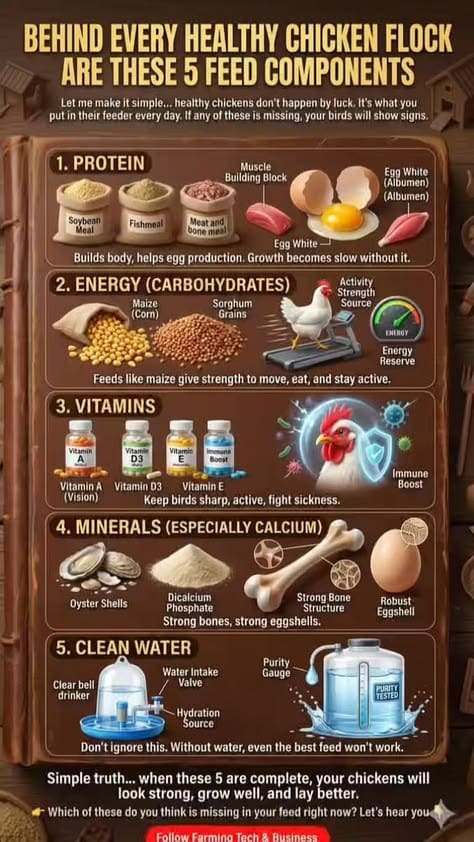
- Balanced Diet: Provide a high-quality, balanced feed appropriate for the age and production stage of your birds. Deficiencies in essential nutrients can weaken immunity.
- Probiotics: Incorporate probiotics (e.g., through fermented feed or commercial supplements) to support a healthy gut microbiome. A strong gut flora can outcompete harmful pathogens and parasites.
- Calcium: As mentioned with DE, a diet high in calcium can discourage internal parasites. Ensure your laying hens receive adequate calcium for strong eggshells and overall health.
Monitoring and Diagnosis
You cannot effectively manage what you do not measure.
- Observe Your Flock: Regularly observe your chickens for signs of worms:
- Weight loss despite eating well
- Pale comb and wattles
- Ruffled feathers
- Lethargy
- Diarrhea or bloody droppings
- Worms visible in droppings
- Decreased egg production or poor egg quality
- Fecal Examinations: The most definitive way to determine worm burden is through fecal examination. Collect fresh droppings from your flock and take them to a local veterinary clinic or diagnostic lab. This allows for accurate identification of the types of worms present and their concentration, guiding your deworming strategy. This approach, advocated by institutions like PSU Extension, helps you decide whether to deworm routinely or only when a high worm burden is detected.
Stress Reduction
Stress can suppress a chicken's immune system, making them more vulnerable to parasites and diseases.
- Adequate Space: Ensure your birds have enough space in the coop and run to prevent overcrowding.
- Environmental Enrichment: Provide dust bathing areas, perches, and opportunities for foraging to reduce boredom and stress.
- Consistent Routine: Maintain a consistent feeding and watering schedule.
- Predator Protection: Secure your coop and run against predators to minimize fear and stress.
Developing a Deworming Strategy
For small-scale farmers, developing a strategic approach to deworming is crucial.
- Assess Your Risk: Consider your farm's specific conditions. Do your chickens free-range extensively? Do you introduce new birds frequently? Is your climate conducive to parasite survival?
- Choose Your Approach:
- Routine Natural Support: Implement natural remedies like garlic, pumpkin seeds, and ACV as regular dietary supplements to boost immunity and create an unfavorable environment for parasites. This is a good preventative measure.
- Symptom-Based Intervention: If you notice signs of worms, or if a fecal exam indicates a light to moderate burden, you can intensify your natural remedy regimen.
- Veterinary Consultation for Heavy Burden: If a fecal exam reveals a heavy worm burden, or if your birds are showing severe symptoms, consult with a veterinarian. They can recommend the most effective FDA-approved chemical dewormer and provide guidance on dosage and withdrawal periods. This is where options like fenbendazole might be considered under professional supervision, especially when natural methods alone are insufficient.
- Combine Strategies: The most effective approach often combines natural preventative measures with stringent biosecurity and hygiene. For instance, you might offer garlic in the water regularly, provide pumpkin seeds as treats, maintain clean coops, and conduct annual fecal exams to monitor the situation.
Considerations for Kenyan Small-Scale Farmers
For small-scale farmers in Kenya, the appeal of natural deworming is particularly strong due to several factors:
- Cost-Effectiveness: Many natural ingredients like garlic, pumpkin, and various herbs are readily available and often more affordable than imported chemical dewormers. This helps manage feed and healthcare costs.
- Sustainability and Organic Practices: There's a growing market for naturally raised poultry and eggs. Using natural remedies aligns with sustainable farming practices and can appeal to consumers seeking "organic" or "chemical-free" products.
- Accessibility: Local markets often provide easy access to fresh ingredients like garlic, pumpkins, and various traditional herbs, making these remedies practical to implement.
- Limited Veterinary Access: In some rural areas, access to veterinary services or specific poultry medications might be limited. Natural remedies offer accessible first-line defense and supportive care.
However, it's equally important for Kenyan farmers to be vigilant. The warm climate can accelerate parasite life cycles, making consistent hygiene and monitoring even more critical. Relying solely on unproven methods without understanding the severity of an infestation can lead to significant flock losses. Regular observation and, where possible, diagnostic testing are invaluable tools.
The Importance of Factual Integrity and Caution
While the desire for natural solutions is understandable and commendable, it's crucial to approach natural deworming with a scientific mindset. Many claims about the efficacy of natural remedies are based on anecdotal evidence or laboratory studies that don't always translate directly to real-world farm conditions.
- Avoid Over-Reliance: Do not rely solely on natural remedies if your flock is suffering from a heavy worm burden. In such cases, the welfare of your birds should take precedence, and a veterinarian-prescribed chemical dewormer may be the most humane and effective option.
- Dosage and Toxicity: Be cautious with concentrated herbal remedies or essential oils. Some herbs, while beneficial in small amounts, can be toxic in higher doses (e.g., thujone in tansy, sage, wormwood). Always research proper administration and err on the side of caution.
- No Magic Bullet: There is no single "magic bullet" natural dewormer that will solve all your parasite problems. A holistic, integrated approach is always best.
Conclusion
Managing internal parasites in backyard chickens using natural remedies is a journey that combines traditional wisdom with modern understanding of poultry health. It's about empowering your flock's natural defenses, maintaining impeccable hygiene, and being observant. While natural remedies like diatomaceous earth, garlic, pumpkin seeds, and supportive herbs may not always replace the targeted efficacy of FDA-approved pharmaceuticals for severe infestations, they form a powerful arsenal for prevention, general health support, and management of light to moderate worm burdens.
By integrating these natural approaches into a comprehensive biosecurity and nutrition program, small-scale farmers can foster healthier, more resilient flocks, reduce reliance on chemical interventions, and produce poultry products that align with their values for sustainability and natural well-being. Always remember to monitor your birds closely, consult with a poultry veterinarian for definitive diagnoses, and make informed decisions that prioritize the health and welfare of your flock.
What natural deworming remedies have you tried with your flock, and what results did you observe? Share your experiences and questions in the comments below! Follow Poultry Market for more practical guides and insights into sustainable poultry farming.