Imagine you have a startup budget, a small plot of land, and one big question: which animals will actually pay you back the fastest? It is a decision many aspiring farmers get wrong. They pick the animal they grew up seeing, not the one that fits their capital, space, and market. The truth is that profitability in livestock farming depends less on the animal itself and more on the match between your resources and the animal's production cycle. Here are nine farm animals that consistently deliver strong returns when managed as a business, not a hobby.
1. Broiler Chickens
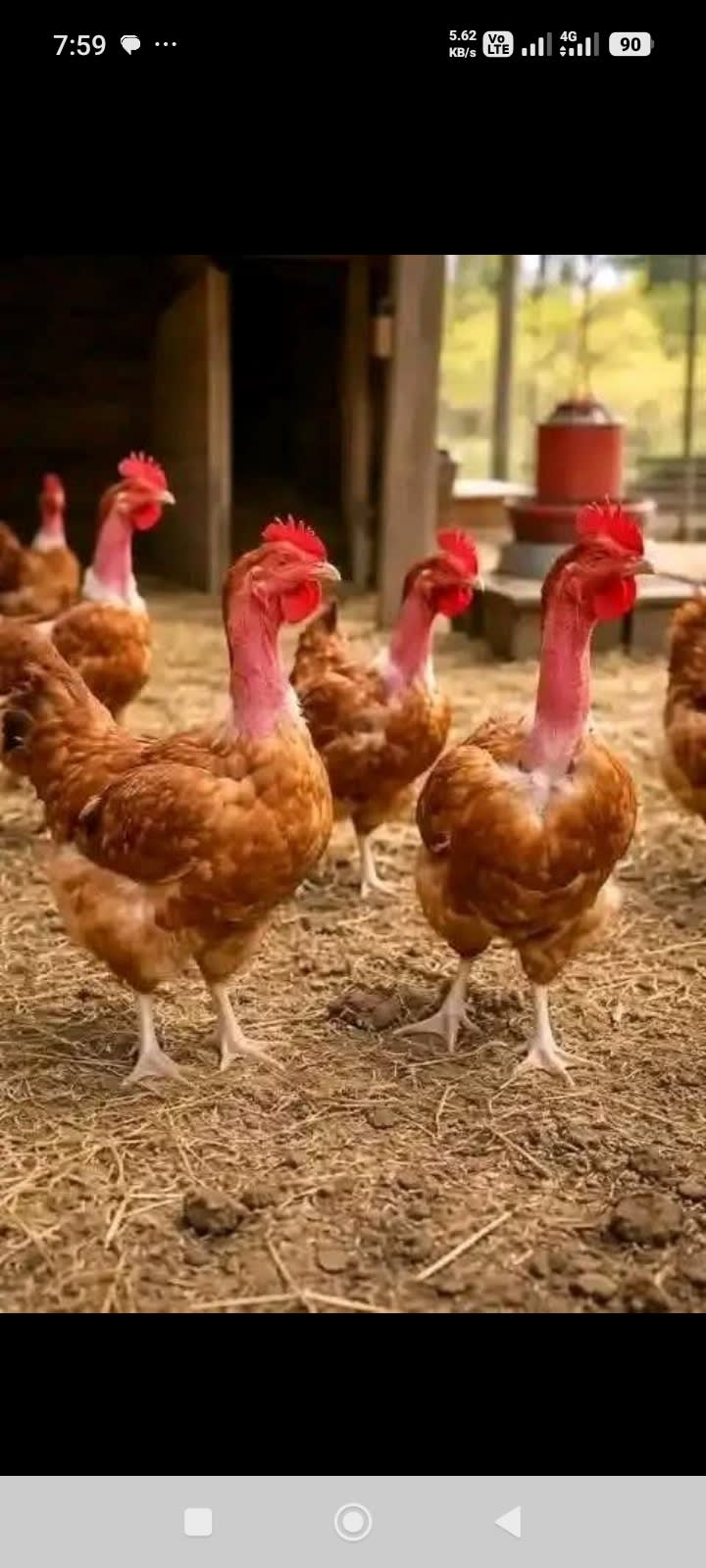
Broilers are the fastest route to cash in livestock farming. A well-managed batch can be ready for market in six to eight weeks, meaning you can turn over your capital several times a year. The demand for chicken meat keeps rising with population growth and urbanization, so the market is rarely the problem.
The catch? Feed. Feed typically accounts for the largest share of broiler production costs, so your profit margin lives or dies by feed efficiency. Before buying chicks, do a simple calculation: number of birds × expected feed per bird × feed price in your area. Then compare that against a realistic selling price, not an optimistic one.
2. Layer Chickens
Layers are the long game. Instead of one payday, you get daily income from eggs over many months. For farmers near towns and cities, eggs are one of the easiest animal products to sell consistently.
For small and medium operations, structured management matters. Training materials for extension workers suggest that for flocks in the 5,000 to 20,000 bird range, houses of about 2,000 birds each with bell drinkers or nipple drinkers work well, with roughly one attendant per house plus a veterinary paraprofessional overseeing the farm. Smaller farms below 5,000 birds can run simpler setups. The lesson: size your housing and labour to your flock, or costs will quietly eat your profits.
3. Goats
Goats are the survivor's investment. They browse on vegetation other animals ignore, tolerate harsh climates, and reproduce steadily. In many Kenyan and East African markets, goat meat commands premium prices, especially during holidays and ceremonies.
For a farmer with limited capital and rough land, goats often beat cattle on return per shilling invested. They need less feed, less water infrastructure, and smaller housing.
4. Pigs
Pigs are feed-conversion machines. They grow fast, produce large litters, and reach market weight quickly. A single sow can transform the economics of a small farm within a year.
The risk is management intensity. Pigs need clean housing, consistent feeding, and good disease control. If your biosecurity is weak, losses can wipe out a cycle's profit fast.
5. Rabbits
Rabbits are underrated. They need very little space, reproduce rapidly, and convert feed efficiently. For urban and peri-urban farmers working with a backyard rather than acreage, rabbits offer one of the lowest entry costs in animal farming.
The honest caveat: the market for rabbit meat is smaller and less developed than for chicken or goat in many regions. Before stocking up, confirm who will actually buy your rabbits and at what price.
6. Turkeys
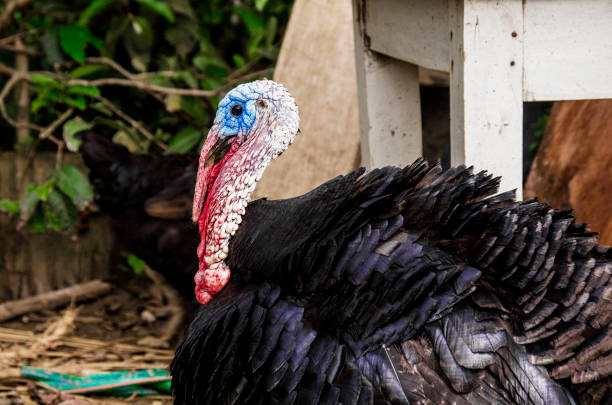
Turkeys are a seasonal goldmine. They need more space and care than chickens, but they yield far more meat per bird and fetch premium prices during festive seasons. Their relatively long lifespan also allows for breeding programs rather than constant restocking.
A smart approach is timing production so birds reach market weight just before peak holiday demand. Would you rather sell ten chickens or one turkey for a similar total price with less competition?
7. Ducks
Ducks offer two income streams: meat and eggs. They are hardy, forage well, and resist many diseases that trouble chickens. In areas with growing demand for duck eggs and meat, they can outperform chickens on resilience alone.
They do need access to water for cleaning and are messier to manage, so housing design matters more than beginners expect.
8. Sheep
Sheep suit farmers with grazing land but limited capital for large stock. They mature relatively quickly, lamb reliably, and their meat has steady demand. Like goats, they convert low-quality forage into saleable protein, which keeps feed costs low.
9. Dairy Cattle
Dairy cattle require the most capital on this list, but a good cow produces daily income through milk for years. For farmers with access to fodder, veterinary services, and a reliable milk market, dairy offers some of the most stable long-term returns in livestock farming.
The key word is access. Without a dependable buyer or collection point, milk spoils and profits evaporate.
How to Choose the Right Animal for Your Farm
Profit is simple arithmetic: revenue minus expenditure. Every cost you lower and every shilling of revenue you protect improves your margin. Extension training materials recommend ten practical steps for building a sustainable enterprise, starting with these fundamentals:
- Choose your enterprise type, size, and breed based on a cost-benefit analysis and your actual capability.
- Register your business entity.
- Organize your records, labour, and production plan before stocking animals.
Beyond setup, remember that marketing is not optional. Visibility drives revenue. Demand for poultry meat and eggs is expected to keep rising with population growth, but that demand only pays you if buyers know you exist.
Be honest with yourself about the variables: feed prices, mortality, production rates, selling prices, breed performance, housing, disease, labour, market access, and season all shift your returns. No animal on this list guarantees profit. Management does.
Final Thoughts
The most profitable farm animal is the one whose production cycle, feed needs, and market fit your specific situation. A farmer with a Nairobi backyard and a small budget may do far better with rabbits or broilers than with dairy cattle, while someone with grazing land and patience may find goats or dairy cows unbeatable.
Which animal are you considering for your farm, and what is holding you back? Share your situation in the comments — your question might help another farmer make the same decision. Follow Poultry Market for more practical guides on running livestock as a real business, and if this article helped clarify your thinking, pass it on to someone planning their first venture.