If you treat a pheasant chick like a day-old commercial broiler, you will likely lose half your flock within the first three weeks. Standard chickens have spent centuries being selectively bred to tolerate human handling, close quarters, and basic starter crumbles. Pheasants, by contrast, remain fundamentally wild birds. They startle at sudden shadows, require significantly higher protein levels to survive, and will quickly turn to feather pecking and severe cannibalism if their living conditions are even slightly off balance.\n\nYet for farmers looking to diversify beyond traditional broilers or table eggs, game birds offer an appealing alternative. High-end restaurants, specialty meat distributors, dog-training clubs, and hunting preserves actively seek reliable suppliers. Turning pheasants into a viable agricultural enterprise requires moving past trial-and-error backyard hobby methods and implementing solid commercial management practices.\n\n## Understanding the Pheasant Market Before You Buy Birds\n\nBefore you order day-old chicks or invest in fencing, you need to identify exactly who will buy your mature birds. Unlike standard poultry, which often moves through established open-market supply chains, game bird production demands a clear target buyer from day one.\n\nGenerally, pheasant producers target three primary commercial outlets:\n\n* Gourmet Meat Markets: High-end culinary establishments and niche butcher shops value mature pheasants for their lean, rich flavor. Meat birds are usually processed between 16 and 22 weeks of age, depending on customer specifications regarding carcass size and finish.\n* Hunting Preserves and Gun Clubs: These facilities purchase fully feathered, strong-flying birds to stock their grounds. Preserves demand birds with pristine plumage, full tail feathers, and alert, flighty temperaments.\n* Dog Trainers and Field Trial Clubs: Working dog clubs require active, fast-flushing adult birds throughout their training seasons, often purchasing consistent batches across several months.\n\nEach channel dictates how you house, feed, and manage your flock. Birds destined for meat can be raised in slightly tighter runs, provided cannibalism is strictly managed. In contrast, birds destined for flight preserves require expansive outdoor flight pens where they can build pectoral flight muscles without damaging their tail feathers against pen netting.\n\n## Brooding: The Critical First Four Weeks\n\nSuccessful pheasant management begins in the brooder. The initial four weeks determine whether you raise hardy, market-ready birds or suffer early mortality that erodes your operational profit margins.\n\n### Housing and Space Requirements\n\nDrafts kill young game birds faster than low temperatures alone. Your brooder house must be draft-free, thoroughly sanitized, and structurally sound. For early-stage brooding, a clean, disinfected space of roughly 200 to 300 square feet can house an initial batch, though you must guard against overcrowding as they grow.\n\nBefore chicks arrive:\n\n1. Deep Clean the Facility: Scrape, scrub, and disinfect all floor surfaces and walls. Allow the room to dry completely before laying bedding.\n2. Lay Down Dry Litter: Use clean, dry wood shavings. Avoid slick paper or slippery cardboard surfaces, which cause spraddle leg in young game birds.\n3. Set Up Brooder Guards: Use sturdy, circular draft guards to keep chicks near the heat source and prevent them from piling in room corners when startled.\n4. Preheat the Area: Turn on your heat lamps or radiant brooders 24 hours prior to chick placement to ensure the bedding is warm throughout.\n\n### Feeding and Watering from Day One\n\nNewly hatched pheasant chicks do not naturally seek out commercial troughs as readily as broiler chicks do. You must place waterers and feed trays where chicks run directly into them.\n\nUse plastic gallon founts for water. Plastic founts are durable, easy to clean, and simple to inspect during daily rounds. To prevent drowning—a common cause of early game bird mortality—place clean marbles or small gravel in the water trough during the first week so chicks can drink without falling in.\n\nFor the first three to five days, present feed on shallow flats rather than commercial hoppers. Clean egg flats work exceptionally well because the textured surfaces keep feed accessible while minimizing scratching and unnecessary waste. Once the chicks actively eat, transition them onto standard linear or circular chick feeders.\n\n## Nutrition: Meeting High Protein Demands\n\nFeeding a pheasant standard chicken grower mash is one of the quickest ways to cause stunted growth, poor feathering, and increased mortality. Because pheasants grow rapidly and produce heavy plumage, their protein requirements far exceed those of standard domestic fowl.\n\n### Starter Phase (0 to 6 Weeks)\n\nDuring the first six weeks, pheasant chicks require a high-protein starter ration, typically formulated at 28% to 30% crude protein. This crude protein density fuels muscle development, organ growth, and rapid wing feathering. Ensure the starter is fed as a fine crumble so small chicks can consume it easily.\n\n### Grower and Maintenance Phase (7 Weeks to Market)\n\nAround week seven, gradually transition your flock to a game bird grower ration containing approximately 20% to 24% crude protein. If you are finishing birds specifically for the gourmet meat market, maintaining protein around 20% to 22% alongside adequate energy promotes good carcass finish without unnecessary fat deposition.\n\nIf you plan to hold adult breeding stock through winter months, their protein requirements drop to a maintenance level of roughly 14% to 16%, until four to six weeks before egg production begins, when they shift to a high-calcium breeder diet.\n\n## Managing Cannibalism and Aggression\n\nPheasants possess strong territorial instincts. If kept under artificial confinement without careful environmental controls, they quickly resort to feather pulling, vent pecking, and severe cannibalism.\n\nAggression is commonly triggered by several factors:\n\n* Excessive light intensity in the brooder\n* Overcrowding and limited floor space\n* Inadequate dietary protein or mineral imbalances\n* Insufficient feeder or waterer access\n* Lack of physical environmental enrichment\n\n### Environmental Adjustments\n\nIf aggression appears in your brooding area, take immediate action. Darken the room by reducing artificial lighting or switching to low-wattage red bulbs. Pheasants cannot easily see blood under red illumination, which helps interrupt pecking behavior.\n\nProvide physical distractions to redirect their foraging instincts. Suspending heads of cabbage, bundles of clean alfalfa, or swinging lettuce slightly above bird height gives them a harmless outlet for pecking. Adding low roosts, straw bales, or visual barriers inside the run also allows subordinate birds to escape dominant flock members.\n\nFor flight-bound or outdoor operations, many commercial producers utilize specialized plastic peepers (blinders) or hood devices fitted to the beak around five to seven weeks of age. These devices block forward vision while preserving peripheral sight, preventing birds from targeting flockmates while still allowing them to eat and drink normally.\n\n## Flight Pen Construction and Outdoor Housing\n\nAt around six to eight weeks of age, fully feathered pheasants must move out of indoor brooders into exterior flight pens. Flight pens are long, netted outdoor enclosures designed to let birds fly, acclimate to ambient weather, and develop natural weather-resistant plumage.\n\n### Construction Specifications\n\n* Footprint: Flight pens are typically built long and narrow—for example, 25 to 50 feet wide by 100 to 150 feet long. This runway layout encourages sustained flight from end to end.\n* Space Allowance: Provide a minimum of 20 to 25 square feet of flight pen space per mature bird. Crowding in flight pens inevitably leads to feather picking and ruined plumage, destroying the commercial value of flight-ready stock.\n* Top Netting: Enclose the top with heavy-duty UV-treated polyethylene game bird netting (typically 1-inch to 2-inch mesh). Never use rigid wire on top; flying pheasants hit the ceiling at high speed, and wire will break necks or scalp birds.\n* Predator Aprons: Ground predators like foxes, dogs, and weasels will attempt to dig under your fence line. Bury galvanized wire mesh at least 12 inches into the ground, curving it outward 6 to 12 inches to deter digging predators.\n\n### Pen Cover and Shelter\n\nPheasants need visual security. Plant dense cover inside the flight pen early in the season—sorghum, millet, corn, or lambsquarters work well. This cover provides natural shade, mimics their wild habitat, minimizes stress, and prevents birds from constantly pacing the exterior fenceline.\n\n## Calculating Production Economics\n\nProfitable pheasant production relies entirely on careful input tracking. Feed accounts for the vast majority of your variable costs, followed by day-old chick purchases, brooding heat, bedding, and labor.\n\nConsider an illustrative production scenario to understand how the numbers function:\n\nSuppose you place a flock of 500 day-old pheasant chicks targeting the mature flight or meat market at 20 weeks of age.\n\n### Feed Intake Estimate\n\nAn individual Ringneck pheasant consumes roughly 14 to 18 pounds of feed from hatch through 20 weeks, depending on weather, pen activity, and waste management.\n\n$$\text{Total Flock Feed} = 500 \text{ birds} \times 16 \text{ lbs average feed} = 8,000 \text{ lbs of feed (4 tons)}$$\n\nIf feed costs average an estimated baseline per ton, you can determine your primary production expense. To that feed total, you must factor in:\n\n* Initial chick acquisition costs\n* Brooder heating costs (gas or electric)\n* Netting and pen maintenance depreciation\n* Water, sanitation, and veterinary biosecurity supplies\n* Expected mortality (commercial game bird mortality typically ranges from 5% to 15% across brooding and flight pen stages)\n\nIf your total operational cost to raise a bird to 20 weeks reaches an estimated $12 to $16, and local hunting preserves or direct-to-consumer meat markets purchase mature birds at $22 to $28 each, your gross margin per bird provides a healthy return on investment. \n\nHowever, these figures fluctuate. A sudden spike in soybean meal or grain prices, unseasonal storm mortality, or an unmanaged outbreak of disease can erode expected profits. You must calculate your specific regional input prices, target markets, and labor expenses before investing significant capital.\n\n## Biosecurity and Disease Management\n\nGame birds are susceptible to many of the same respiratory and enteric pathogens that impact domestic poultry, including Coccidiosis, Blackhead (Histomoniasis), and Mycoplasma. Maintaining strict biosecurity protects your investment.\n\n1. Separate Domestic Poultry from Game Birds: Never house chickens and pheasants on the same ground. Chickens often carry Heterakis gallinarum (cecal worms), which can transmit the parasite responsible for Blackhead—a disease that is often fatal to pheasants.\n2. Rotate and Rest Pens: If possible, rest flight pens every few years or plant cover crops over the winter to allow sunlight to break parasite lifecycles in the topsoil.\n3. Maintain Footbaths and Clean Footwear: Wear dedicated boots inside brooders and flight pens to avoid tracking wild bird droppings or external contaminants into clean rearing pens.\n4. Work with an Avian Veterinarian: Establish a relationship with an agricultural veterinarian experienced in game birds. Obtain professional guidance on diagnostic testing, water sanitization, and regional disease risks rather than attempting unverified treatments.\n\n## Turning Game Birds into a Sustainable Business\n\nRaising pheasants successfully requires balancing strict commercial poultry biosecurity with an understanding of wild bird behavior. By providing high-protein feed formulations, managing aggression early through lighting and environmental enrichment, and constructing durable flight pens with adequate space, you can produce hardy, premium game birds that command strong market prices.\n\nStart with a manageable flock size that fits your current acreage and infrastructure. Perfect your brooding techniques, secure your buyer agreements well before the birds hatch, and scale your operations as your production data and market channels mature.\n\nHave you raised game birds on your farm, or are you planning to diversify your current poultry setup this season? What market channels show the most promise in your local area? Share your experiences, questions, and observations in the comments below, and share this guide with fellow poultry farmers looking to explore profitable alternatives. For more practical livestock guides, market insights, and poultry management advice, follow along with Poultry Market.\n\n## References\n\n* Poultry Farming Guide: Start & Run a Profitable Farm\n* Game Bird Raising Tips: Tips for Raising Pheasants\n* Raising Game Birds for Meat and Profit
Farming Tips
How to Raise Pheasants for Profit
Learn how to raise pheasants for profit with practical advice on brooding, high-protein feeding, flight pen construction, aggression control, and market planning.

Found this useful? Share it with a fellow farmer.
Written by
Poultry Market KenyaMarket Place at Poultry Market Kenya
Poultry Market Kenya is a dedicated poultry farming and agribusiness blog focused on empowering farmers, traders, and agri-entrepreneurs across Kenya. We publish practical, data-driven content covering poultry production, disease management, feeding strategies, housing, equipment reviews, and market insights. Our goal is to bridge the gap between traditional poultry farming practices and modern, profitable methods by providing reliable information, expert guidance, and real-world case studies.
89 articles2 followers
Recommended articles
More poultry farming insights picked for this topic.
Farming Tips
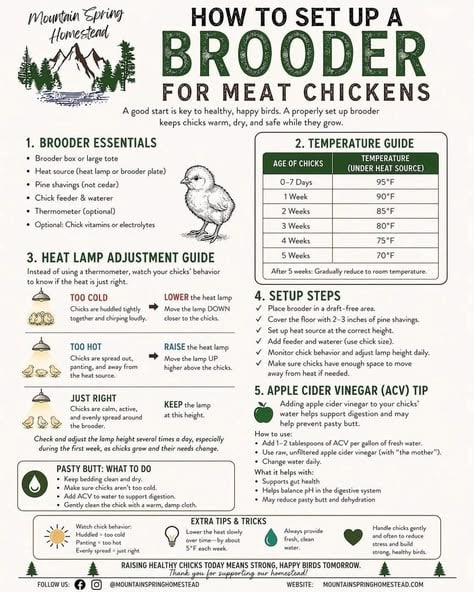
How to Set Up a Brooder for Meat Chickens
Learn how to set up a brooder for meat chickens the right way: space requirements, heat sources, week-by-week…
11 min read1 views
Farming Tips
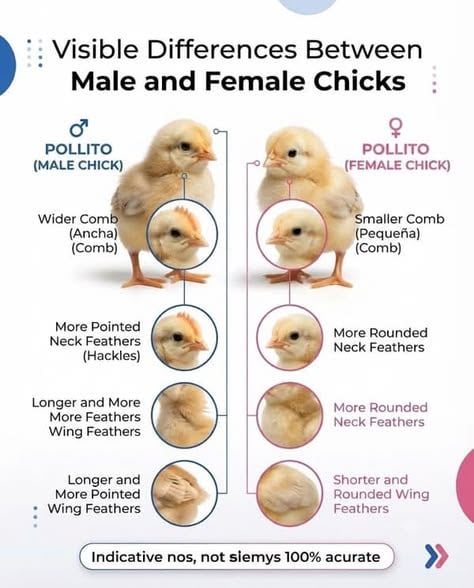
How to Sex Day-Old Chicks: A Practical Farmer's Guide
Learn how to sex day-old chicks accurately using sex-linked colour crosses, feather sexing, and vent sexing — plus the…
5 min read1 views
Farming Tips
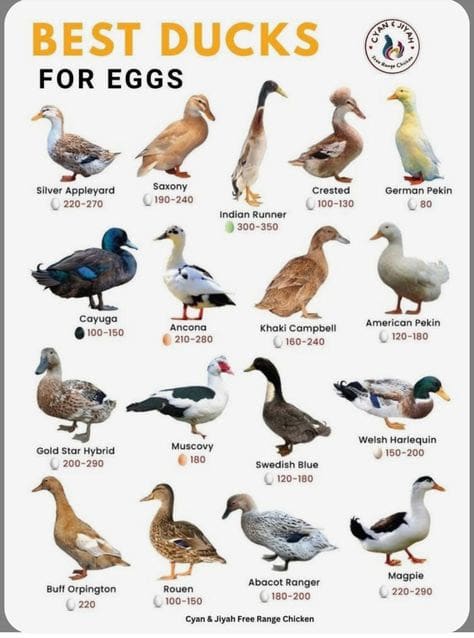
Best Duck Breeds for High Egg Production
Choosing the wrong duck breed can cut your egg output in half. Learn which breeds — from Indian Runners to Khaki…
6 min read8 views