Best Poultry System for You: Free-Range vs. Deep Litter vs. Battery Cages in Kenya
Deciding on the right housing system is one of the most critical choices a poultry farmer makes. The housing system affects startup costs, bird welfare, labor requirements, disease control, and ultimately, profitability. For a Kenyan farmer managing 200 birds, the decision carries even greater weight due to capital constraints and local market demands.
This comprehensive guide analyzes the three main housing systems—free-range, deep litter, and battery cages—helping you select the best fit for Kienyeji and broiler production in Kenya. We’ll break down costs, labor, welfare implications, and practical tips tailored to local conditions.
Overview of the Three Systems
Free-Range System
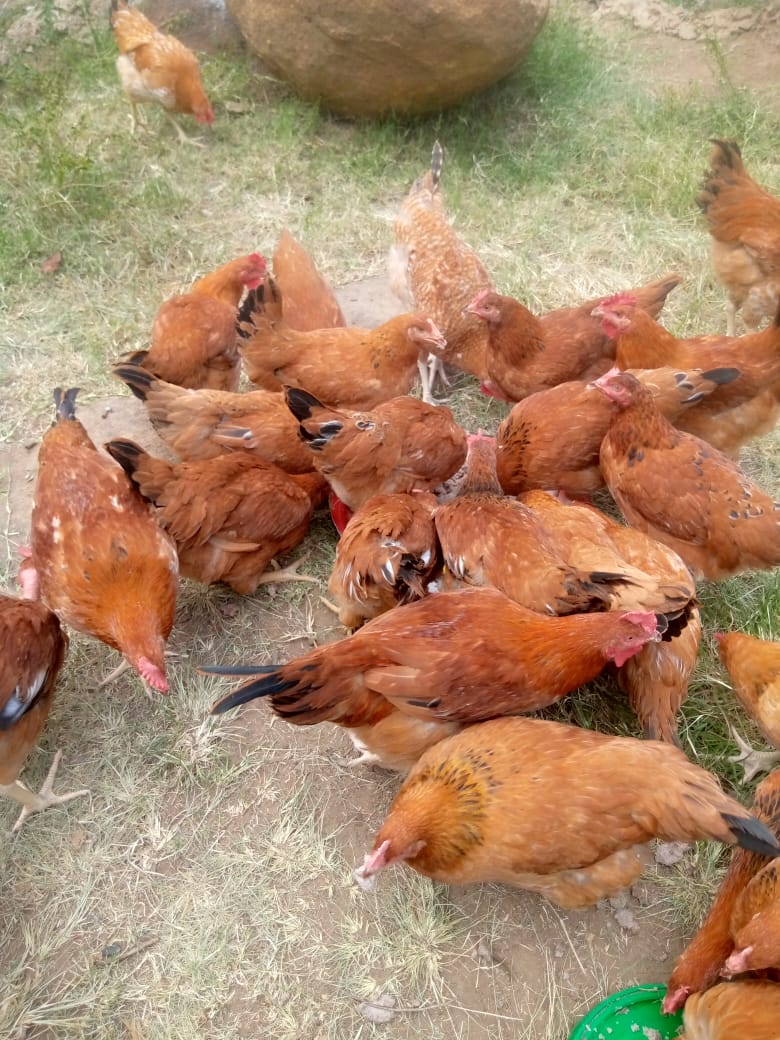
In a free-range system, birds have continuous access to outdoor areas where they can roam, forage, and express natural behaviors. Housing provides shelter and nesting boxes, but birds spend significant time outdoors.
Deep Litter System
The deep litter system keeps birds indoors on a thick layer of absorbent bedding material (sawdust, wood shavings, rice husks) that builds up over time. The litter decomposes droppings and requires periodic turning and replacement.
Battery Cage System
Battery cages are wire enclosures arranged in tiers, confining birds to small individual or small-group spaces. Feeders and drinkers are automated, eggs roll to collection trays, and waste drops through the cage floor.
Comparative Analysis for 200 Birds in Kenya
Factor
Free-Range
Deep Litter
Battery Cages
Startup Cost (Est. KES)
Low–Moderate
Moderate
High
Basic shelter: 30,000–50,000
Structure + litter: 80,000–120,000
Cages + install: 200,000–300,000
Space Requirement
High (outdoor run)
Moderate (indoor)
Low (vertical space)
Labor Intensity
High (requires supervision)
Moderate (daily management)
Low (automated systems)
Feed Efficiency
Moderate (foraging + feed)
Good
Excellent
Disease Risk
Moderate (exposure)
Higher (respiratory, parasites)
Lower (isolation)
Bird Welfare
Highest (natural behaviors)
Good (movement)
Poor (restricted)
Suitability (Kienyeji)
Excellent (hardy foragers)
Good (if space adequate)
Not ideal
Suitability (Broilers)
Possible (higher risk)
Excellent (fast growth)
Good (controlled)
Market Perception
Premium (natural, ethical)
Standard
Lower (welfare concerns)
Detailed Breakdown by Factor
Startup Costs
Free-Range
Shelter: Basic structure with roofing, walls, and nesting boxes (KES 30,000–50,000).
Fencing: Perimeter fencing to protect from predators (KES 40,000–70,000).
Climate Monitoring: Use IoT sensors to check temperature, humidity, and ammonia levels (especially in deep litter and cages).
Digital Record Keeping: Google Sheets or Excel templates for budget tracking and flock records.
Social Media Marketing: Use platforms like WhatsApp Business and Facebook to showcase free-range welfare and attract premium buyers.
Quick Tips for Kenyan Farmers
Start Small: Test housing systems with a smaller batch before committing to 200 birds.
Climate Matters: In hot regions, free-range and deep litter need extra shade and water. In wet areas, ensure good drainage.
Predator Control: Reinforce fencing with buried wire mesh and use guard animals (geese, dogs).
Litter Management: Source affordable, absorbent materials like rice husks or sawdust locally.
Biosecurity: Implement strict hygiene measures regardless of system to prevent disease.
Making Your Decision
Choose based on your priorities and resources:
Prioritize welfare and premium markets? Go free-range for Kienyeji.
Need efficiency and control? Use deep litter for broilers.
Limited space and capital? Avoid battery cages; consider deep litter.
High-capital investment? Battery cages can maximize output in small spaces, but ensure good management.
Conclusion
For a Kenyan farmer with 200 birds, deep litter often strikes the best balance of cost, labor, and bird welfare, especially for broilers. For Kienyeji, free-range systems align with breed characteristics and market trends, even with higher labor demands. Battery cages suit large-scale, urban operations with significant capital and technical capacity.
Before deciding, visit local farms using each system, talk to extension officers, and calculate your long-term costs and returns. Your housing choice sets the foundation for your farm’s success.
Ready to choose? Need help finding reliable suppliers for building materials or digital tools? Share your questions in the comments or contact poultry associations for personalized guidance.
Poultry Market Kenya is a dedicated poultry farming and agribusiness blog focused on empowering farmers, traders, and agri-entrepreneurs across Kenya. We publish practical, data-driven content covering poultry production, disease management, feeding strategies, housing, equipment reviews, and market insights.
Our goal is to bridge the gap between traditional poultry farming practices and modern, profitable methods by providing reliable information, expert guidance, and real-world case studies.