That slow, noticeable dip in your daily egg count isn't just a blip in the data; it's a signal your flock needs management. For any serious producer, recognizing when a hen is past her peak laying years isn't about sentiment; it's about maximizing profitability by directing resources—feed, space, and care—to the birds that deliver the highest return. Keeping unproductive hens drains your feed bill without adding to your market supply.
Recognizing the Physical Signs of Age
While age is a factor, specific physical indicators tell you more than just a calendar date. Hens typically reach maturity and their peak laying time occurs within their first year, with most high-production breeds maintaining good output for about two years under proper care. After that, decline is expected.
Key Visual and Physical Cues
Look closely at your flock, not just the egg tray. Signs to watch for include:
- Decline in Production: The most obvious sign—a sustained drop below expected rates for that age group.
- Color Change: Older hens often lose that vibrant, bright red color they had when young.
- Body Condition: Noticeable weight loss or changes in body shape.
- Skin and Feather Quality: Dry, wrinkled skin and dull, dry feathers suggest reduced health and vitality.
- Skeletal Indicators: A practical check involves observing the pelvic bones; if the space between the bones is less than two fingers' width, it strongly suggests poor laying capacity.
The Economic Logic of Culling
A farmer working with a small budget must make tough choices. Every hen consumes feed, requires housing, and needs attention. If a hen contributes minimally to your product—whether that’s graded, clean eggs for sale, or meat—she becomes a cost center rather than a profit center.
Imagine you have 100 layers. If 15 of them are producing significantly less than the others, are you paying full feed costs for 15 low performers? Culling these non-productive birds allows you to replace them with younger, high-potential layers, immediately boosting your overall flock efficiency and market output.
Beyond Laying: Holistic Flock Management
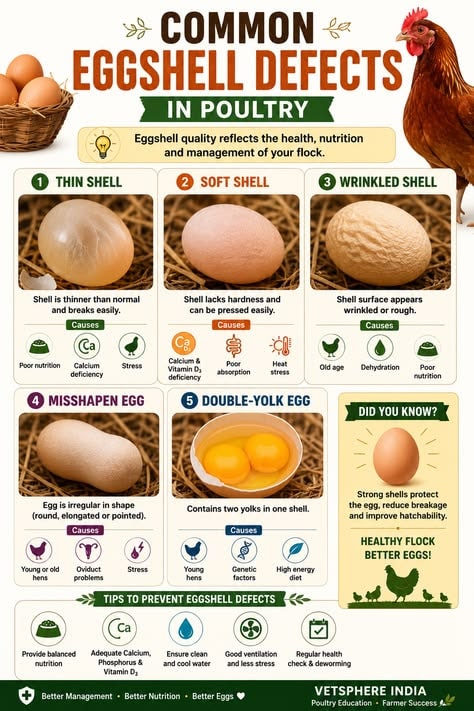
Culling isn't just about egg numbers; it's part of a larger, integrated production system. Good management considers environment, health, and market needs simultaneously. High-quality output—like clean, sorted, and graded eggs—requires healthy, motivated birds.
Environmental and Health Checks
- Disease Vigilance: Environmental conditions heavily influence disease outcomes in intensive systems. Keep housing dry and well-ventilated to minimize health challenges.
- Nutrition Integrity: Ensure feed supports peak function. Modern poultry care allows for natural additives like probiotics and enzymes, while strictly limiting artificial colorings or stimulants.
- Market Alignment: Are you producing what your market values? Consider dietary needs, as consumers seek specific qualities, such as those met by kosher products for various dietary groups.
Practical Steps for Flock Review
When reviewing your flock, follow these steps instead of making emotional decisions:
- Establish a Baseline: Know your breed's expected peak production rate and typical lifespan for laying.
- Monitor Individually (When Possible): Note the production consistency of individual birds.
- Assess Physical Markers: Check for dry skin, color loss, and the pelvic bone spacing (less than two fingers' space).
- Calculate Opportunity Cost: Determine the feed cost vs. the marginal egg return for the low performer.
- Plan Replacement: Have younger, high-potential birds ready to integrate to maintain flock density and productivity.
When it comes to the end of a hen's productive life, remember that for a market farmer, the stew pot is often a better destination than the laying box.
References
https://facebook.com/myFarmTech/videos/how-to-identify-old-hens-that-should-be-replaced-keeping-non-productive-hens-wil/2311166432741008 https://www.hobbyfarms.com/old-hens-eggs-cull-flock-chickens https://blog.mcmurrayhatchery.com/2024/09/09/replacing-poultry-flocks
Poultry farming success hinges on making these calculated, practical decisions, not just on feeding birds. If you are tracking flock health, market demands, or production metrics, follow Poultry Market for more hands-on agricultural insights. What specific signs have you noticed in your flock that made you question their productivity? Share your observations or any questions you have about flock management below; let's learn from each other's real-world farm experiences.