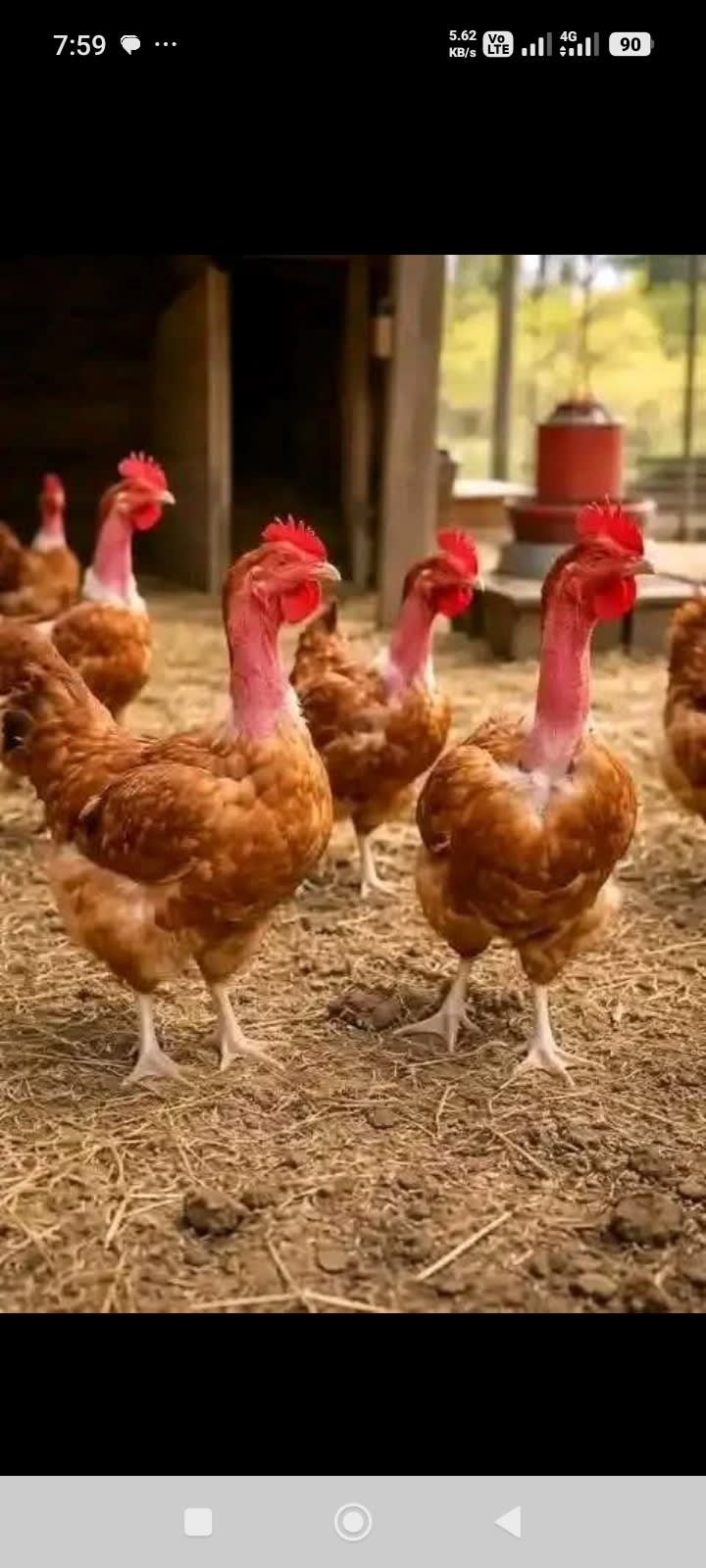
You notice your layers aren't eating their layers mash as aggressively as they did last month. The feed conversion ratio is creeping up, and you're wondering if you should switch feed brands or invest in new feeding equipment. Before you change your feed formulation or spend more on infrastructure, consider whether you're optimizing the sweetness profile of your flock's diet.
In intensive production systems, every gram of feed counts. The type of sugar you incorporate—whether as a direct additive or naturally occurring in grains—affects not just energy intake but also gut health, water consumption, and even disease resistance. Understanding the twelve primary sugar types helps you make informed decisions about feed formulation, water additives, and flock management without relying on guesswork or expensive trial and error.
Why Sugar Chemistry Matters in Poultry Nutrition
Sugar isn't just a source of empty calories. In your flock's digestive system, different sugar molecules behave differently. Simple sugars like glucose require minimal breakdown and provide immediate energy for birds under heat stress or recovering from disease. Complex sugars like sucrose need enzymatic breakdown but often improve palatability, encouraging feed intake when birds are fussy.
The economic impact of poor energy management shows up in your feed bill. If you're using a single sugar type—typically sucrose in commercial feeds—you might be missing opportunities to reduce costs or improve health outcomes. For example, molasses-based sweeteners contain minerals like calcium and potassium that plain sucrose lacks, potentially reducing the need for separate mineral supplementation in your premix.
The Twelve Types of Sugar and Their Practical Applications
1. Sucrose (Table Sugar)
This is the standard sweetener in most commercial poultry feeds. Chemically, it's a disaccharide composed of glucose and fructose. For your flock, sucrose provides reliable energy and enhances palatability, encouraging birds to eat more when they're young or stressed.
However, sucrose offers no additional nutritional benefits beyond calories. If you're buying commercial feeds, you're already getting sucrose. But if you're formulating your own rations in a small-scale operation, you might consider whether sucrose is the most cost-effective energy source for your specific market conditions in Nairobi or your local area.
2. Glucose (Dextrose)
Glucose is the primary energy currency in a chicken's body. When you administer glucose water to sick birds or those recovering from coccidiosis, you're bypassing the digestive system to deliver immediate metabolic fuel.
In feed formulation, glucose monohydrate can replace up to 10% of dietary energy sources, though it's typically more expensive than sucrose. Use it strategically for flocks under disease challenge or during heat waves when appetite drops but energy demands remain high.
3. Fructose
Found naturally in fruits and honey, fructose has a different metabolic pathway than glucose. It doesn't spike insulin as dramatically, making it potentially useful for managing blood sugar stability in breeding stock or layers producing eggs at high rates.
In Kenyan smallholder operations, adding small amounts of ripe mango or papaya (natural fructose sources) to treat diets can improve feed acceptance, though the variability in fruit sugar content makes this less reliable than commercial sweeteners.
4. Lactose (Milk Sugar)
If you're incorporating dairy byproducts like whey or buttermilk into your feed, you're providing lactose. This sugar supports beneficial gut bacteria, particularly certain strains of Lactobacillus, which aligns with the probiotic strategies mentioned in integrated disease management systems.
However, adult chickens produce minimal lactase, so lactose can cause digestive upset if overfed. Limit dairy byproducts to 5-10% of the diet unless you're feeding chicks who can handle higher lactose levels.
5. Maltose
Produced when starch breaks down, maltose is abundant in germinated grains. If you're sprouting your own grains—a common practice in urban farming setups in Nairobi—you're naturally increasing maltose content, which improves energy availability and feed digestibility.
For commercial operations, maltose syrups can replace some sucrose to improve binding in pelleted feeds while adding energy.
6. Molasses (Blackstrap)
Distinct from muscovado but related, blackstrap molasses is the liquid byproduct of sugar refining. It contains significant mineral content, including calcium, potassium, and magnesium, plus vitamins like B6 and niacin.
In feed formulation, adding 2-3% molasses improves pellet durability and palatability. The research on muscovado sugar notes that it contains higher molasses content than other varieties, giving it distinctive color and flavor—similar principles apply to blackstrap molasses in animal feeds.
7. Muscovado Sugar
This unrefined cane sugar contains the highest molasses content of all commercial sugar types, resulting in a dark color and complex flavor profile. According to the classification research, muscovado sugar comes in forms like light muscovado (lighter brown color, milder flavor) and muscovado light sugar.
For poultry, muscovado offers mineral benefits beyond regular sugar—iron, calcium, and potassium that support flock health. However, its moisture content can make feed storage tricky in humid climates like coastal Kenya. Use it at 1-2% of feed weight for its mineral contribution, but monitor storage conditions carefully.
8. Honey
Natural honey contains glucose, fructose, and trace enzymes that support immune function. Research on honey shows antimicrobial properties that can help maintain gut health, potentially reducing reliance on antibiotic growth promoters.
Administer honey in drinking water at 1-2 tablespoons per gallon during disease challenges or heat stress. Unlike sugar water alone, honey provides prebiotic compounds that feed beneficial gut bacteria, aligning with integrated disease management approaches where environmental conditions significantly influence health outcomes.
9. Maple Syrup
With a distinct flavor and mineral content including zinc and manganese, maple syrup can serve as a specialty sweetener in organic or free-range production systems. Its lower glycemic index compared to sucrose might benefit birds with metabolic stress, though cost limits practical application to small-scale or specialty markets.
10. Agave Nectar
High in fructose, agave can boost energy quickly but should be used sparingly due to its high cost and potential to disrupt gut flora balance if overused.
11. Coconut Sugar
Produced from coconut sap, this sugar contains inulin, a prebiotic fiber that supports gut health. For flocks experiencing digestive upsets, coconut sugar offers energy plus gut-friendly compounds, though it's typically more expensive than conventional sweeteners.
12. Date Sugar
Made from ground dried dates, this sugar contains fiber, potassium, and magnesium. It adds sweetness with a caramel-like flavor while providing roughage that aids digestion. In hot climates, date sugar's potassium content supports electrolyte balance.
Water Quality and Sugar Management
Your drinking water affects flock health significantly, and sugar plays a dual role here. On one hand, adding sugar to water can encourage hydration in sick birds. On the other hand, sugar in water—especially when combined with the phosphorus and nitrogen that chickens introduce through droppings—creates an environment where algae thrive.
The ideal way to control algae is to avoid letting the water get stagnant by frequently emptying and scrubbing drinkers and refilling them with fresh water. If your water comes from a well, have it tested, particularly for phosphorus and nitrogen—the two nutrients algae like best. Chickens may furnish nutrients by way of scratching litter into the drinker, pooping in the water, or dropping feed from their beaks.
When using sugar water for medication or energy supplementation, clean drinkers daily to prevent biofilm formation and algae growth. The low-oxygen environment created by stagnant, algae-covered water increases disease pressure, which connects directly to the integrated analysis that shows disease challenge outcomes are markedly influenced by environmental conditions.
The Candida Connection
Research on candida prevention offers a specific application for sugar management. Adding vinegar to drinking water at 1 tablespoon per gallon (15 mL per 4 L)—double the dose if the water is alkaline—can help prevent recurrence of candida infections in two ways: by discouraging candida growth in the drinking water, and by [supporting gut health through acidification].
Here's where sugar type matters: while we avoid sugar in water for candida treatment (as sugar feeds candida), we use specific acids to combat it. However, understanding your flock's sugar intake helps you recognize when you need to reduce sweetness to prevent yeast overgrowth in the first place. If you're using molasses or muscovado in feed, be aware that these sweeteners provide more than just calories—they support microbial growth in the gut, which requires careful balance.
Practical Decision-Making for Kenyan Farmers
In Nairobi's urban farming context or rural operations near Thika or Kiambu, feed costs represent 60-70% of total production expenses. Choosing the right sugar type requires balancing:
Cost per energy unit: Sucrose is usually cheapest, but muscovado or molasses offer mineral benefits that might reduce supplementation costs.
Storage conditions: Humid coastal areas favor dry sugars (sucrose, glucose) over liquid molasses or honey, which can ferment.
Production stage: Growing pullets need sustained energy from complex carbohydrates (maltose, sucrose), while layers require stable energy without excessive weight gain—consider using fructose sources sparingly in layer diets to avoid metabolic issues.
Water quality: If your water has high alkalinity or nutrient content, you'll need to clean drinkers more frequently when using any sugar-based water additives.
Calculating Your Sweetener Needs
To determine how much sugar to incorporate, calculate your flock's energy requirements:
Number of birds × Daily consumption (kg) × Energy requirement (kcal/kg) = Daily sugar needed
For example, 500 layers consuming 120g feed daily with a diet requiring 2,800 kcal/kg, where 10% comes from sugar:
500 × 0.12kg × 280kcal = 16,800 kcal from sugar daily
Since sucrose provides 3.94 kcal/g, you'd need approximately 4.3kg of sugar daily for this flock.
However, if using muscovado with its higher mineral content, you might reduce this by 10-15% and compensate with additional limestone, depending on your flock's specific mineral status.
Environmental Considerations
Remember that integrated analysis has become far more significant in today's intensive production systems because the outcome of disease challenge is so markedly influenced by the