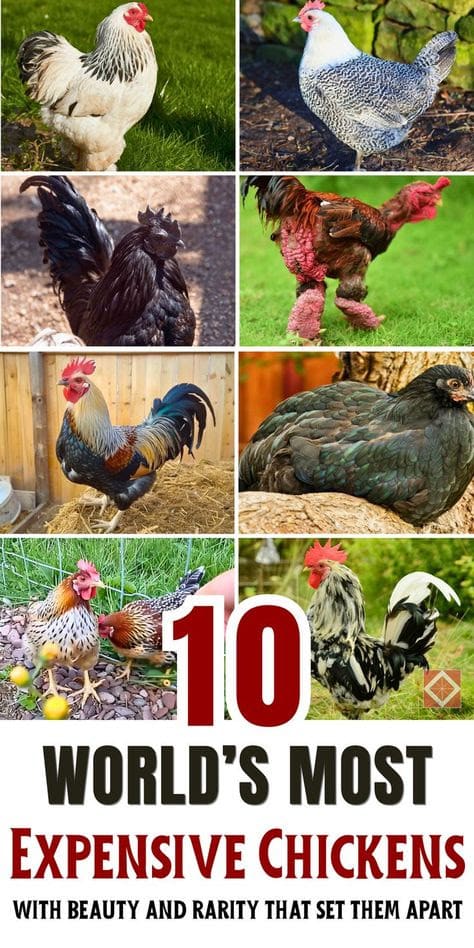
Imagine walking into your farmyard in Nairobi and seeing a flock that looks like they stepped out of a nature documentary rather than a poultry run. You are standing in your backyard, watching your children point at a bird with feathers that resemble a crown, or perhaps an all-black chicken that seems to absorb the morning light. This is the world of ornamental poultry—not just birds, but living sculptures that command attention, tell stories, and sometimes even generate tourism revenue for smallholders.
But here is the practical reality: ornamental chickens rarely pay their way through egg production alone. If you are considering adding these breeds to your operation, you need to understand that you are investing in aesthetics, cultural significance, and potential exhibition income rather than just protein. The birds in this article represent nine distinct ornamental breeds, each with unique care requirements, climate sensitivities, and market potentials that you should evaluate before bringing them home.
Why Ornamental Chickens Matter Beyond Beauty
In Kenya's evolving agricultural landscape, diversification is becoming essential. While commercial layers remain the backbone of most small-scale operations, ornamental breeds offer something different: a connection to heritage, a conversation starter for agritourism, and in some cases, access to niche markets where a single bird might sell for thousands of shillings.
However, beauty comes with specific responsibilities. Ornamental breeds often require more space, specialized feed, and climate-controlled housing than their utility counterparts. Before you select your birds, consider your available square footage, your local climate conditions, and whether you have access to specialized veterinary care for exotic breeds.
The All-Black Marvel: Ayam Cemani
If you have ever seen a bird so completely black that it seems to defy light itself, you have encountered the Ayam Cemani. Originating from Indonesia, this breed represents the pinnacle of melanistic poultry—their feathers, skin, and even internal organs carry a genetic mutation that produces intense black pigmentation.
For the Kenyan farmer, the Ayam Cemani presents both opportunity and challenge. These birds are rare and highly valued in Indonesian culture, where they feature in traditional ceremonies and are believed to possess spiritual significance. In Nairobi's growing urban farming market, you might find buyers willing to pay premium prices for these birds for ornamental collections or cultural events.
However, you must prepare for the reality of keeping them. Ayam Cemani are sensitive to heat due to their dense feathering and are prone to respiratory issues in humid climates. They require well-ventilated housing and shade during Kenya's hotter months. Their diet needs careful management to maintain optimal condition, as they can become overweight quickly, which stresses their joints and reduces their lifespan.
When acquiring Ayam Cemani, work with established breeders who can provide health documentation. These birds are expensive to import, and unscrupulous sellers often misrepresent mixed-breed birds as purebred Ayam Cemani. Expect to pay significantly more than standard commercial layers, and budget for higher veterinary costs due to their specialized needs.
Japanese Elegance: Yokohama and Onagadori
The Japanese have been perfecting ornamental poultry for centuries, creating breeds that emphasize elegance and extreme feather development. Among these, the Yokohama and Onagadori stand out for their extraordinary tail lengths, though they differ significantly in structure and care requirements.
The Yokohama features a striking red and white color pattern with a long, flowing tail that drags behind the bird. Originally developed from Japanese long-tailed game breeds, Yokohamas carry themselves with regal posture and make stunning additions to any farm display. They are relatively hardy and adapt well to various climates if provided with adequate shelter from rain, which can damage their elaborate plumage.
The Onagadori takes this concept further, with tail feathers that can reach lengths of ten to twenty feet in mature males. This extreme feather growth requires dedicated management. You will need to provide special perches that prevent the tail feathers from dragging on the ground, which causes breakage and exposes the bird to parasites. In a Kenyan context, this means constructing elevated roosting areas and checking tails daily for damage.
Both breeds are relatively small and do not require massive amounts of space, making them suitable for medium-sized urban plots in Nairobi or its suburbs. However, they are not prolific layers—expect perhaps two to three eggs per week during peak production. Their value lies in exhibition and the visual impact they bring to your farm.
The Crown Jewels: European Crested Breeds
European poultry keepers have developed several breeds featuring the distinctive crest—a tuft of feathers atop the head that resembles a royal crown. Polish, Appenzeller Spitzhauben, Brabanter, and Crevecoeur all offer unique takes on this characteristic, each with distinct color patterns and temperaments.
The Polish breed, with its large crest and v-shaped comb, comes in both feathered-legged and clean-legged varieties. The feathered-legged Polish, often called the Sultan, represents a dramatic appearance with its muffs covering the earlobes and its prominent crest. These birds are generally docile and make good pets, though they can be flighty and require patient handling.
Appenzeller Spitzhauben, from Switzerland, combine the crest with a striking black and white spotted pattern and a distinctive V-shaped comb. They are active foragers and excellent layers for ornamental breeds, producing white eggs consistently. Brabanters, from Belgium, feature a more pronounced crest that sits high on the head, while Crevecoeur from France offer a unique appearance with their crest and polled (naturally hornless) head.
Maintaining these crested breeds requires attention to hygiene. The crest feathers can become soiled easily, and moisture trapped in the feathers leads to skin infections and mites. You will need to check crests regularly, especially during Kenya's rainy seasons when humidity is high. Provide dust bathing areas with wood ash and sand to help your birds maintain feather health.
The German Long-Tail: Phoenix
While often confused with Japanese breeds, the Phoenix represents a separate German development in ornamental poultry. Developed in the early twentieth century, Phoenix chickens feature long, flowing tails with distinctive color patterns, often in silver and gold combinations.
Unlike the Japanese Onagadori, Phoenix tails are more manageable and do not reach extreme lengths, making them slightly more practical for backyard keeping. They are hardy birds, generally resistant to cold and adaptable to various climates, though they appreciate protection from Kenya's intense midday sun.
The Phoenix is an active breed that enjoys foraging and exploration. They are not as docile as some ornamental breeds, showing more independence and alertness. This makes them excellent watchdogs for your farm, though their active nature means they require secure fencing to prevent them from ranging too far.
The Dragon of Vietnam: Dong Tao
From Southeast Asia comes one of the most distinctive ornamental breeds available: the Dong Tao, or "Dragon Chicken." This Vietnamese breed is instantly recognizable by its massive, scaly legs that resemble the feet of a small dinosaur.
The Dong Tao is a large breed, with roosters weighing up to six kilograms, making them substantial birds that require robust housing and strong perches. Their large feet are adapted for walking on rough terrain, and they are surprisingly active foragers despite their size.
In Vietnam, Dong Tao chickens are prized both for their appearance and for their meat, which is considered a delicacy. For Kenyan farmers, this creates an interesting market opportunity. You could position these birds as premium exhibition animals for cultural events or as specialty meat birds for high-end restaurants in Nairobi.
However, you must consider the practical constraints. These are large birds that consume significant quantities of feed. Their size makes them vulnerable to predators, requiring secure enclosures. Additionally, because they are rare outside Vietnam, you may face challenges sourcing breeding stock, and transport costs from Southeast Asia will be substantial.
The Blue-Egg Layer: Araucana
While not as visually dramatic as some other ornamental breeds, the Araucana deserves mention for its unique contribution to any flock: blue and green eggs. These Chilean birds feature distinctive ear tufts (not muffs) and a compact body shape.
The Araucana offers practical benefits alongside beauty. They are excellent layers, producing blue eggs that command premium prices in Nairobi's growing organic and specialty egg markets. Their small to medium size makes them suitable for backyard operations, and they adapt reasonably well to various climates.
The primary challenge with Araucanas is maintaining the genetic trait for ear tufts. Breeding two tufted birds together often results in lethal genetic combinations, so maintaining the breed requires careful planning and sometimes outcrossing to clean-faced birds. This complexity means you should source your breeding stock from established Araucana breeders rather than attempting to establish the breed from random stock.
Practical Considerations for Kenyan Ornamental Flocks
Adding ornamental breeds to your Nairobi farm requires strategic planning. These birds are not drop-in replacements for commercial layers; they are specialty items that demand specific knowledge and resources.
Space requirements vary dramatically. While Japanese bantams and Seramas work well in small urban plots, breeds like Dong Tao and Ayam Cemani need more room to express their natural behaviors. Consider your available space carefully, and remember that ornamental birds often require larger enclosures than utility breeds because they are frequently handled for shows or photography.
Climate adaptation presents another consideration. Kenya's diverse climate zones mean that a breed suitable for the highlands around Nairobi may struggle in coastal areas or vice versa. Before purchasing, research the specific climate requirements of each breed and consider whether you can provide appropriate housing.
Market access remains the final deciding factor. In Nairobi, you can sell ornamental birds through agricultural shows, social media platforms, and specialty pet markets. However, you must understand Kenya's livestock import regulations if you are considering importing breeding stock. Many ornamental breeds are not available locally and require permits from the Kenya Veterinary Services and the National Environment Management Authority.
Building Your Ornamental Flock
When selecting your first ornamental breeds, consider starting with hardier varieties like the Phoenix or Araucana before attempting more demanding breeds like the Ayam Cemani or Dong Tao. This approach allows you to develop your skills in managing long-tailed breeds and crested varieties without overwhelming your resources.
Connect with local poultry associations in Kenya, as they often have members who specialize in ornamental breeds and can provide mentorship. Attend agricultural shows in Nairobi and Nakuru where you can see these birds in person and discuss care requirements with experienced keepers.
Remember that ornamental poultry keeping is a long-term commitment. These birds often live longer than commercial layers and require consistent care throughout their lives. The initial investment is higher, and the return on investment comes not from daily egg sales but from breeding stock sales, exhibition prizes, and the intangible benefits of maintaining a beautiful and unique flock.
Conclusion
The world of ornamental chickens offers Kenyan farmers an opportunity to diversify beyond traditional commercial poultry while adding visual beauty and cultural significance to their operations. From the all-black mystique of the Ayam Cemani to the dinosaur-like presence of the Dong Tao, these nine breeds represent some of the most striking poultry available.
However, beauty demands responsibility. These breeds require more space, specialized care, and higher investment than utility chickens. They are not for the casual farmer looking to supplement income through egg sales alone, but rather for those who appreciate poultry as living art and are willing to invest the time and resources to maintain them properly.
If you are ready to move beyond the ordinary and add some extraordinary birds to your farm, start with the breeds that match your climate and experience level. Whether you choose the regal Yokohama, the crown-headed Polish, or the blue-egg-laying Araucana, you are not just acquiring birds—you are investing in a living display that will draw visitors, spark conversations, and perhaps even carry your farm's name to regional poultry exhibitions.
What ornamental breeds have you considered for your flock? Are you looking to attract tourists to your Nairobi farm, or do you see these birds as breeding stock for a specialized market? Share your thoughts in the comments below, and let us know which of these beautiful breeds catches your eye for your next purchase.