Herbs aren't just for humans. Ducks love them, and the right herbs offer real benefits: better immunity, smoother digestion, stress reduction, and natural pest control. Used as a supplement to a complete waterfowl diet, herbs can also provide enrichment – encouraging natural foraging and making your ducks happier and healthier.
Below are five of the best duck‑safe herbs, how to feed them, and what makes each one special.
1. Dandelion – The Complete Duck Snack
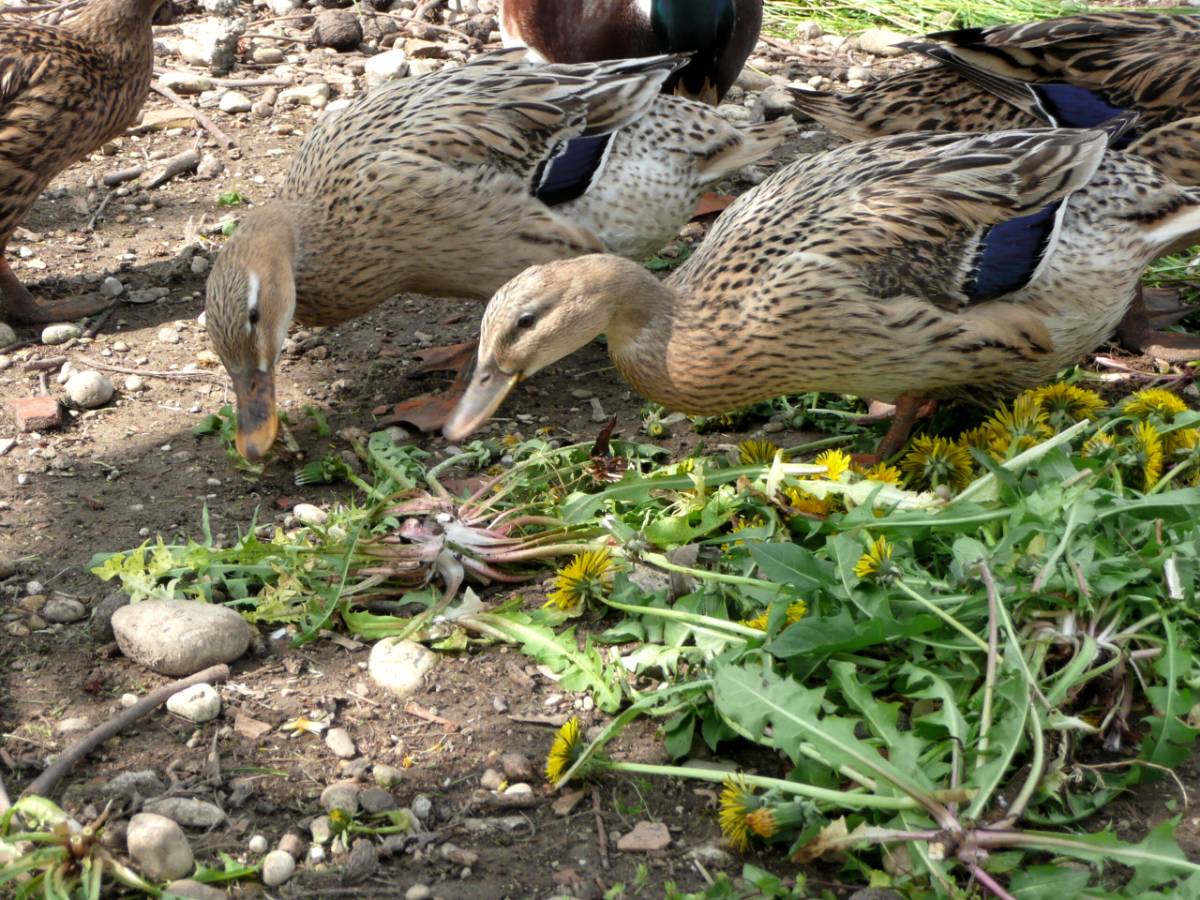
Ducks adore dandelions. The entire plant (roots, leaves, flowers) is edible and highly nutritious.
Key benefits:
Rich in vitamins A, B, C, E, K and minerals calcium, iron, potassium, zinc.
Natural electrolyte – perfect for hot days.
Strengthens immune system and fights viruses.
Roots support liver health.
How to feed:
Fresh, chopped, or brewed into tea (cool to room temperature). Pick from untreated lawns – no pesticides, herbicides, or insecticides.
2. Lavender – Calming & Pest‑Fighting
Lavender’s lovely scent calms anxious ducks and naturally repels flies, mosquitoes, and other pests. It also supports respiratory health.
Key benefits:
Reduces stress.
Repels insects.
Helps prevent respiratory problems.
How to feed:
Hang fresh or dried lavender in the coop just above floor level – ducks will nibble it for respiratory relief. Add flowers to water buckets for “fishing” enrichment.
⚠️ Do not brew lavender into tea. Serve leaves and flowers fresh or dried only.
3. Lemon Balm – Digestive Health & Stress Support
A member of the mint family, lemon balm has a sweet lemon scent that ducks love. It calms stressed birds and aids digestion.
Key benefits:
Calming effect.
Supports healthy digestion.
High in antioxidants – anti‑inflammatory and anti‑tumor properties.
How to feed:
Fresh leaves or brewed as tea (cool to room temperature).
⚠️ Caution: Do not use for two weeks before any duck surgery – it acts as a sedative and can dangerously increase the effects of anesthesia.
4. Peppermint – Cooling & Egg Quality Booster
Peppermint is a duck favourite. It has natural cooling properties – ideal for hot Kenyan summers – and improves eggshell quality.
Key benefits:
Helps prevent overheating.
Repels insects, snakes, and rodents.
Studies show it improves eggshell quality in laying ducks.
How to feed:
Fresh leaves or brewed as tea (cool to room temperature). Hang with lavender in the coop for pest control and enrichment.
5. Marjoram – Immune Support & Laying Stimulant
Marjoram is believed to be a natural laying stimulant. It’s antibacterial, antifungal, anti‑inflammatory, and antiviral.
Key benefits:
Supports immune system.
Aids digestive and respiratory health.
Thought to encourage laying activity.
How to feed:
Fresh leaves, or brew dried leaves into tea during winter when plants are not producing.
How to Feed Herbs Safely
Fresh or dried – toss whole for foraging, chop into feed, or scatter in water.
Herbal teas – brew a handful, then cool completely before serving. (Exception: lavender should not be brewed.)
Daily feeding – most culinary herbs are safe daily in moderation, but rotate varieties.
For ducklings – finely chop herbs to prevent choking and always provide grit for digestion.
Herbs to Avoid
Never feed ducks onions, garlic, or any toxic/ornamental plants. Stick to well‑known culinary herbs.
Can You Grow Herbs for Ducks?
Absolutely. Many duck herbs are easy to grow in Kenya – in garden beds, containers, or even small planters near the coop. Fast‑growing options like lemon balm, mint, and parsley are excellent for regular harvesting.
Lemon balm – perennial in zones 4–9; full sun to partial shade.
Peppermint – hardy in zones 3–9; thrives in full sun to partial shade.
Marjoram – tender perennial in zones 9–10; grow as annual in cooler areas.
Final Thoughts
Herbs are not a replacement for a complete waterfowl feed, but they are a powerful, natural supplement. They boost health, encourage natural foraging, reduce stress, and even help control pests. Adding a few of these plants to your ducks' environment is an easy, low‑cost way to support a happier, healthier flock.
Manage Your Flock with Poultry Market KE
Track duck health, egg production, feeding schedules, and more.
Poultry Market Kenya is a dedicated poultry farming and agribusiness blog focused on empowering farmers, traders, and agri-entrepreneurs across Kenya. We publish practical, data-driven content covering poultry production, disease management, feeding strategies, housing, equipment reviews, and market insights.
Our goal is to bridge the gap between traditional poultry farming practices and modern, profitable methods by providing reliable information, expert guidance, and real-world case studies.