Sarah had been battling slugs in her kale patch for three weeks when she noticed her neighbor’s Indian Runner ducks wandering through the rows. Within days, the pests were gone, and she was collecting eggs that tasted richer than anything her chicken flock produced. If you’ve ever stood in your garden at dusk watching slugs emerge like tiny zombies, or cracked open an egg only to find a watery white and a yolk that barely stains your pan, you might be ready to reconsider your poultry setup.
Ducks are not just waterfowl with fancy feathers—they are efficient, hardy, and surprisingly low-maintenance livestock that solve problems chickens simply cannot. Whether you have five acres or a quarter-acre plot, integrating ducks into your homestead setup can transform your egg quality, reduce your pest management workload, and provide a more resilient meat source. Before you dismiss them as messy or high-maintenance, let’s look at what these birds actually require and what they deliver.
Superior Egg Production and Quality
Walk into any farmers’ market in Nairobi or visit a rural homestead in the Kenyan highlands, and you will notice the premium price tag on duck eggs. There is good reason for this. Duck eggs contain approximately 12.8% more protein and 68% more omega-3 fatty acids than chicken eggs, plus larger yolks that make baking richer and cooking more satisfying.
A healthy laying duck produces between 200 and 280 eggs per year, depending on breed and climate. Compare this to a commercial layer’s 300+ eggs, and you might wonder why bother. The difference lies in flavor and nutritional density. Duck eggs have a higher fat content in the yolk, which means your cakes stay moist longer and your fried eggs have that golden, custardy center that makes breakfast feel like a treat rather than a refueling stop.
For homesteaders, this translates to fewer birds needed to fill your weekly egg basket. If you currently keep ten chickens to supply your household, you might need only six or seven ducks to achieve the same output, significantly reducing your feed bill while improving the nutritional profile of your diet.
Natural Pest Control Without the Chemicals
Here is where ducks truly earn their keep. While chickens scratch and peck at random, ducks are precision instruments for pest management. A single duck can consume up to 200 snails, slugs, and insects per day during peak season. In a small garden, this means you can eliminate pest problems organically without reaching for expensive sprays that harm beneficial insects.
The technique is simple but requires management. Turn your ducks into the garden during harvest season or when pests peak, but move them before they start damaging tender seedlings. Many homesteaders use portable electric netting or temporary fencing to rotate their ducks through different garden beds, essentially using them as living tillage equipment. They eat the slugs, snails, and beetles that destroy kale, cabbage, and young maize plants.
Unlike chickens, which can become destructive in wet conditions by tearing up soil and plants, ducks prefer moist environments. They will happily patrol the damp areas of your homestead where slugs congregate, working the problem areas without damaging your crop roots. For urban farmers in Nairobi with limited space, even two or three ducks in a large container or small pen can significantly reduce the snail population in a small vegetable plot.
Lower Maintenance and Hardier Than You Think
If you have ever dealt with a chicken coop that smells like ammonia or lost birds to predators because they could not fly well, ducks offer a different approach to low-input farming. Ducks are naturally hardier in many climates, particularly in wet conditions where their waterproof feathers keep them dry. They require less intensive housing than chickens—no need for complex roosting bars or deep litter systems that require daily turning.
Their water requirements are higher than chickens, yes, but manageable. Ducks need water deep enough to submerge their heads for cleaning their nostrils and sinuses—typically a kiddie pool or shallow trough works—but they do not need elaborate plumbing. A simple system that allows them to dip their bills and rinse their eyes is sufficient.
Health-wise, ducks are less prone to Marek’s disease and certain respiratory infections that plague chicken flocks. They are also more resistant to parasites like mites and lice when provided with adequate water for cleaning. The initial setup might cost slightly more due to the need for water containers and slightly different feeders, but the long-term veterinary costs often drop compared to maintaining a chicken flock.
The Science of Gut Health and Probiotics
Recent research into poultry nutrition reveals why ducks often appear healthier and more active than their chicken counterparts, even under heat stress. Studies on probiotics in poultry have shown significant benefits for gut health. For instance, research found that supplementation with prebiotics like FOS (fructooligosaccharides) increased beneficial bifidobacteria levels, improved blood lipid profiles, and suppressed harmful putrefactive substances in the intestine.
While much of this research focused on broilers, the principles apply directly to duck health. Ducks have a different digestive system than chickens—more efficient at extracting nutrients from fibrous plant matter and aquatic vegetation. Providing probiotic supplements or fermented feeds can enhance this natural advantage, leading to better feed conversion rates and stronger immune responses.
The Hidaka et al. (1991) and Patterson et al. (1997) studies demonstrated that probiotic supplementation can increase beneficial bacteria concentrations dramatically—in some cases twenty-four-fold for bifidobacteria. For homesteaders, this means your ducks may require less antibiotic intervention and grow more efficiently on the same feed inputs. While you should not replace veterinary care with supplements, incorporating fermented grains or commercial probiotics into your duck feed during stressful periods like molting or heat waves can improve survival rates and growth.
Real Costs and Profitability
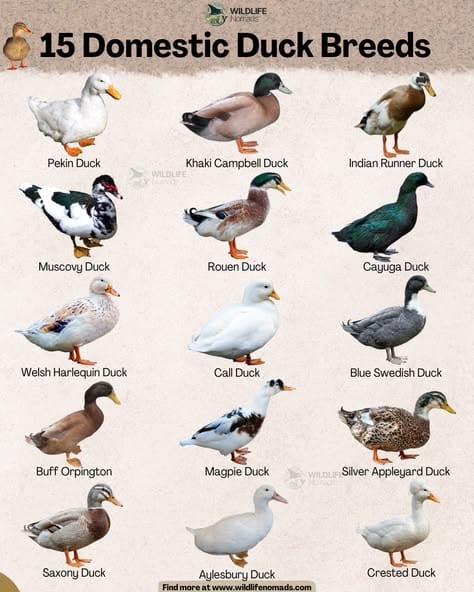
Let us talk numbers, because homesteading is as much about economics as it is about ethics. Starting with ducks requires a higher initial investment than chickens. Expect to spend approximately 150-300% more per bird for quality laying breeds like Pekin, Indian Runner, or Khaki Campbell ducks compared to common chicken layers.
However, the math shifts when you calculate feed efficiency. Ducks convert feed to eggs more efficiently than chickens on a pound-for-pound basis, particularly when they have access to garden pests and aquatic plants. A rough estimate: if layer feed costs 150 KES per kilogram and you feed your ducks 150 grams per bird daily, you are looking at roughly 22.5 KES per bird per day in feed costs. With six ducks producing five eggs daily, that is about 4.5 KES per egg—comparable to or better than commercial egg prices when quality is factored in.
The water costs are real but manageable. A duck needs about 1.5 to 2 liters of fresh water daily for drinking and cleaning, which is less than the water required to keep a chicken coop clean through frequent bedding changes. In water-scarce areas, you will need to plan for water storage or recycling systems.
Predation remains the biggest risk. Ducks cannot fly well and are vulnerable to dogs, cats, and hawks. Secure housing is non-negotiable, and the investment in predator-proof fencing or night housing pays dividends in reduced losses.
Choosing the Right Breed for Your Climate
Not all ducks are created equal for homestead settings. Pekin ducks are excellent layers and grow quickly for meat, but they are heavy and less active in hot climates. Indian Runner ducks are the ultimate pest controllers—upright and alert, they cover ground efficiently and tolerate heat better. Muscovy ducks are quieter, more independent, and excellent mothers, though their meat is leaner.
In the Kenyan context, where temperatures vary significantly between the highlands and coastal regions, Indian Runner and local indigenous breeds often prove most adaptable. They require less intensive management than exotic breeds and integrate better with small-scale systems.
Getting Started Without Breaking the Bank
You do not need a pond to raise ducks. A simple plastic kiddie pool, a tarp to prevent digging, and access to a hose for cleaning suffice. Start with two or three ducklings from a reputable breeder rather than hatching eggs, as this allows you to sex them early and avoid the expense of keeping non-laying drakes.
Integrate them into your existing routine gradually. Let them follow you around the garden, clean up after the chickens, and patrol the compost area. The initial messiness of ducklings—water everywhere, slippery floors—lasts only a few weeks. After that, you have a relatively tidy, productive bird that pays for itself through eggs, meat, and pest control.
Conclusion
Raising ducks on your homestead is not about romanticizing farm life; it is about practical efficiency. These birds solve specific problems—pest pressure, egg quality, and feed costs—that often frustrate small-scale poultry keepers. They require different management than chickens, particularly regarding water and containment, but they deliver superior returns in nutrition and garden health.
Start small, learn their specific needs, and you will likely find that ducks become the workhorses of your farm rather than just another chore. Whether you are in the highlands of Kiambu or managing a small plot in an urban area, these birds offer a path to better eggs, fewer pests, and more resilient food production.
Have you considered adding ducks to your homestead? Share your experiences or questions in the comments below, and let us know how you manage water and space for these remarkable birds. If you found this practical guide helpful, pass it along to another farmer who might benefit from switching to ducks, and follow for more honest, experienced-based poultry advice.